




Ask a fleet manager to prove one aerial lift was safe last Tuesday, and the conversation gets interesting fast. Not because they’re hiding something.
The honest answer depends on data nobody looked at closely until someone asked for it. That someone is usually an insurer, an auditor, or an investigator.
I spent years on the machine-design side of this industry before I started building data platforms.
That gives me a specific view of one question fleet owners keep asking: When someone challenges your safety record, does your data actually back it up?
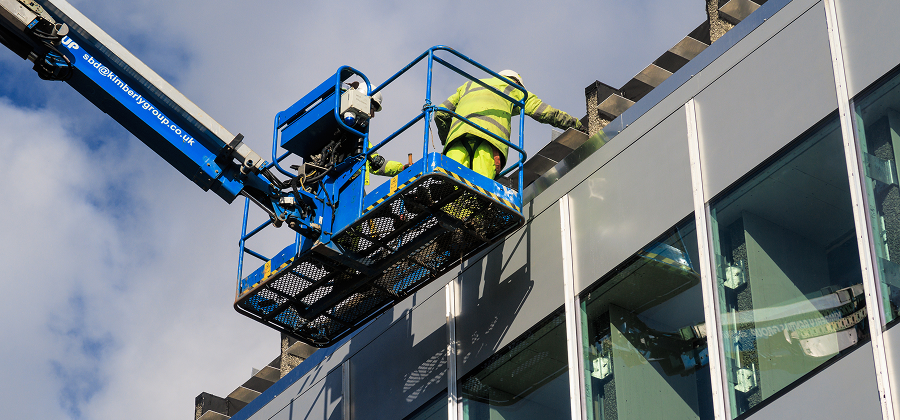
Two machines can look equally connected and still tell you very different things.
Some devices sit on top of a machine and watch it from outside: location, motion, whether the engine is running.
Others read the machine’s own systems directly, the same network engineers use to check a design before it ships.
Even among those, depth varies. A telematics system built jointly with the OEM can read hundreds of channels, across engine, electrical, and hydraulic systems alike.
Any one of those channels can turn out to be the detail that matters once a safety incident gets investigated. One that reads CAN without that partnership is usually limited to a handful of standard data points, even though it looks just as connected from the outside.
The difference rarely shows up on a spec sheet. It shows up the day someone asks one question about one machine, and the answer either exists, or it doesn’t.
A device that only tracks location and motion can confirm a MEWP was on site. It can’t always confirm which operator was in the basket, if they held a valid access credential, whether their certification was current, or whether a fault code fired an hour before a breakdown.
Those signals live inside the machine’s own systems, not in its GPS trace. Miss them, and you’re left rebuilding what happened from memory and paperwork, not from the machine itself.
A machine run outside its rated limits, day after day, looks from the outside exactly like one that hasn’t been. Only the machine’s own systems know the difference. That gap rarely matters, until the day it matters completely.
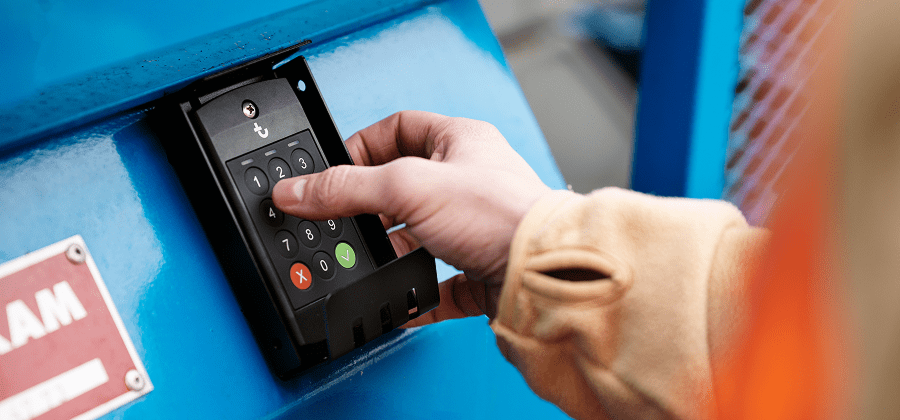
Three moments tend to surface the gap: An insurance claim, a certification audit, and an investigation. Each one tests the same thing: Whether the record traces back to a specific person operating a specific machine at a specific moment, not just a company name on a contract.
That’s a harder bar than it sounds. A rental agreement names a business. It doesn’t name whoever actually climbed into the basket that day, and that gap is exactly where the record falls apart.
Deep machine data answers questions like these directly:
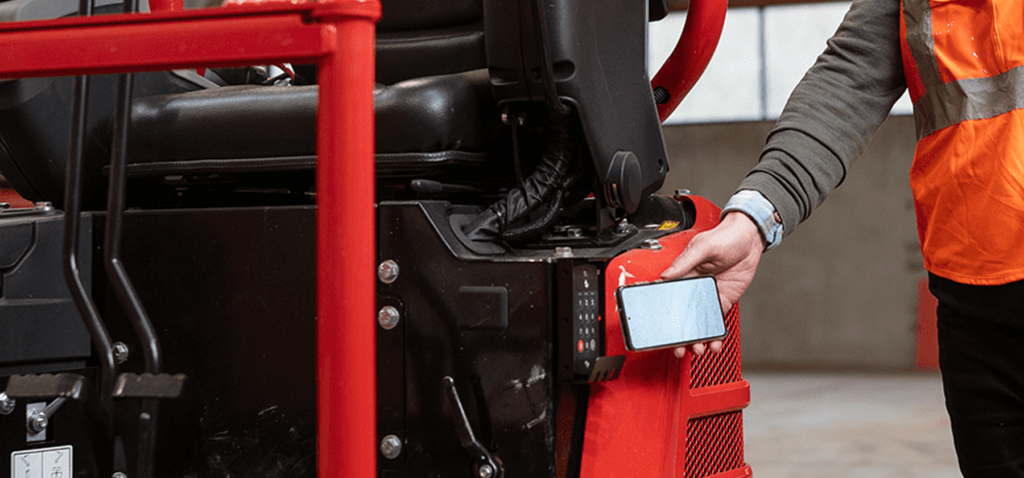
Closing that gap isn’t really a technology problem. It’s a proof problem, and deep machine data is exactly the proof you need.
Fleet owners with deep, machine-level data answer questions like those with evidence, not recollection, and that turns a defensive conversation into a straightforward one.
You don’t need to rebuild your entire fleet to find out where you stand. Start with the machines on your highest-liability contracts: the ones on big projects, high-traffic sites, or long-term national accounts.
Then ask your telematics provider one direct question: how deep into this machine does your data actually go? If the answer stops at location and hours, you have a starting point, not a crisis.
Depth is something you build, one contract and one machine category at a time, whether your MEWP fleet runs a handful of units or several thousand.
The fleets that get ahead of this won’t just have better data. They’ll have a safety record that holds up the day someone actually checks, in writing, with the machine’s own evidence behind it.
Federico Rio is a 25-year veteran of construction having cut his teeth in the heavy equipment industry with Caterpillar. Specializing in machine design, digital & technology, and sales & marketing, he joined Trackunit in 2023 where he is Senior Vice President of Product and Pricing.