




IrisX is Trackunit’s Construction Operating Data Platform. It powers telematics and fleet management by turning fragmented machine data into structured, AI-ready intelligence.
The questions below come from real customer engagements across rental companies, OEMs, and contractors. Each one maps to a specific operational cost or revenue opportunity that IrisX MCP is already helping teams act on.
MCP stands for Model Context Protocol. It’s an open standard that lets AI tools connect directly to external data sources. Instead of switching between dashboards and exporting reports, your team asks a question in plain language and gets an answer from live fleet data in seconds.
Major AI platforms including Claude, ChatGPT, and Microsoft Copilot all support it. Trackunit IrisX MCP is Trackunit’s implementation of that standard, built on IrisX, which processes close to three billion construction data points per day from equipment across 65 countries.
Connect an MCP-compatible AI client and your fleet data is available instantly. Your team controls exactly what the AI can see and do, and can revoke access at any time.
For a breakdown of what IrisX MCP means for construction, read Ask your fleet anything with Trackunit IrisX MCP.
Early adoption across IrisX customers is clustering around three types of use cases.
The first is fleet and site performance. Teams ask which assets are underutilized, or what the current status of a specific depot looks like. Answers come from live fleet data in seconds, with no report to pull and no dashboard to open.
The second is fault diagnosis. Teams query fault code history across a machine or model line. Patterns that used to take days to investigate surface in minutes.
The third goes beyond queries entirely. IrisX MCP also executes actions — configuring alerts, updating asset records, and triggering downstream workflows through a plain-language instruction.
All of that happens within the security and permissions framework already governing the platform. For a fuller picture, see how MCP is breaking down data barriers in construction.
Rental operations lose money in three places. Revenue slips through before invoicing, machines sit idle between jobs, and contract violations erode margin silently.
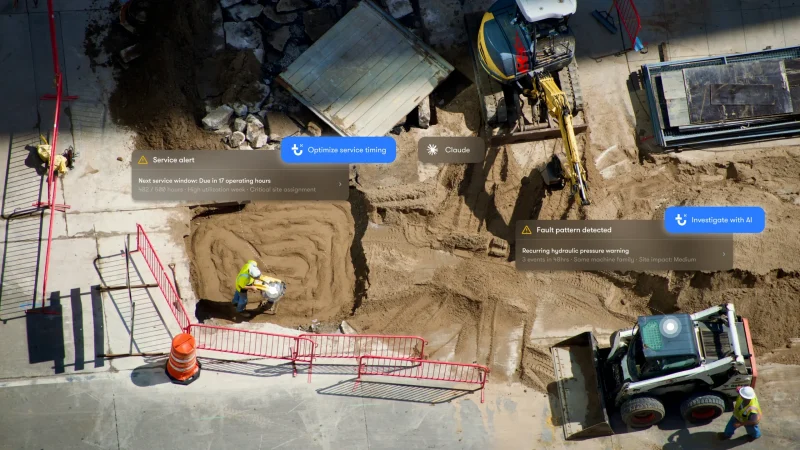
IrisX MCP gives rental teams a direct line from question to answer. Answers about contract violations, idle assets, and service status come in seconds, from the AI tools the team already uses.
Connecting utilization data to contract terms through IrisX MCP flags every overrun automatically, before the billing moment passes. Once the answer is visible, the next step is automation.
One Trackunit rental customer with around 4,500 machines surfaced more than $1.1 million in recoverable revenue. That covers January to September 2025, with more than $200,000 in a single month from IoT data alone.
The Out of Contract Usage blueprint automates that next step. When an overrun is detected, IrisX creates a Salesforce task and notifies the commercial team before the billing moment passes.
Based on Trackunit customer data, proactively addressing billing gaps drives approximately 10% higher customer retention. The transparency conversation with the customer changes the relationship.
A geographic view through IrisX MCP shows which assets have been idle longest and which sites need intervention most urgently. Untracked idle time is often the largest hidden cost on a rental company’s equipment P&L.
Based on Trackunit customer data, cutting idle time by 10 to 20% has delivered fuel savings above $300,000 per year. The Site Optimization for Idle Cost blueprint sets automated alerts for machines exceeding an idle threshold.
McKinsey research on condition-based maintenance finds that downtime and related service costs can be reduced by up to 30%. The Smart Servicing blueprint has helped rental companies cut machine turnaround time by up to 50%. That’s the primary lever for generating more revenue from existing assets without adding machines.
A regional Trackunit rental customer with around 2,000 machines saved approximately $100,000 in annual labor cost. A specialist customer with around 5,000 machines gained more than $1 million in additional revenue.
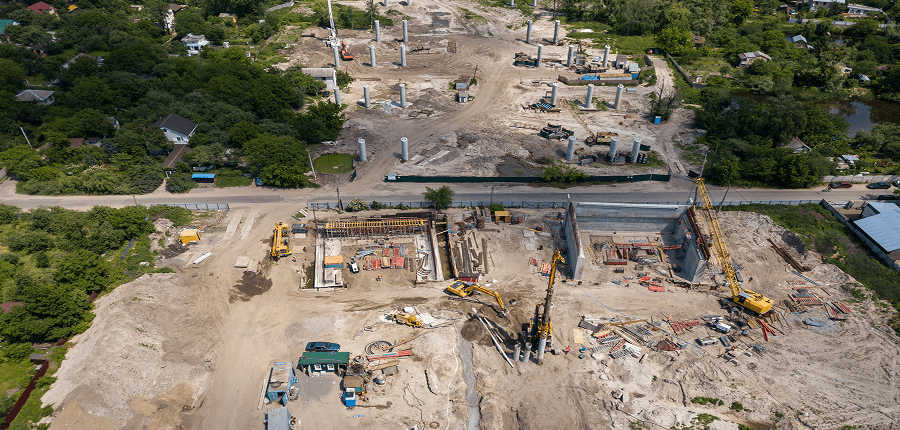
OEM data questions cluster around product performance, machine design, and aftermarket revenue. The recurring challenge is that engineering teams design for an assumed average.
That average rarely matches how machines actually operate in the field. IrisX MCP changes that. Warranty teams, service engineers, and product managers can query live field data from the AI tools they already use. Fault patterns, regional usage differences, and diagnostic insights surface in seconds.
Some machine cohorts show a strong correlation between engine load and fuel consumption. Others show a weak one, meaning something else is driving the cost.
Identifying which cohorts behave which way is the starting point for engineering changes. For one Trackunit OEM customer with around 10,000 machines, this contributed to approximately 2.5 million euros in validated efficiency gains.
Machines designed for an assumed average use case perform differently across regions. Those regional differences expose how much design assumptions diverge from actual operating conditions.
Through IrisX MCP, those differences become visible in seconds rather than waiting on a custom analysis request. Product teams replace assumptions with actual duty cycle data in the next design cycle.
Fault codes that recur at scale signal a systemic issue. Catching a rising trend early is the difference between a proactive field action and a costly warranty campaign.
Deloitte research on maintenance strategies finds that poor maintenance can reduce an asset’s productive capacity by 5 to 20%. The same research estimates unplanned downtime costs industries $50 billion annually.
Trackunit customers have cut troubleshooting time by 30%. One customer managing a 2,000-machine mixed fleet saved more than $150,000 in annual labor cost.
Battery failures are expensive and often avoidable. The Battery Management Insights blueprint detects abnormal degradation early, preventing warranty claims and protecting asset resale value.
For one Trackunit OEM customer with 10,000 machines, battery health monitoring drives around $3 million in annual business impact. That covers warranty cost reduction, battery insight subscriptions, and faster remote diagnosis.
Machines sitting unsold at dealer sites represent tied-up working capital. However, spare parts demand is predictable from machine usage data.
Connecting machine usage to parts demand creates a forward-looking parts revenue forecast. One Trackunit OEM customer freed up $4 million in working capital in the first year.
A second customer achieved $2 million in additional revenue for a mid-sized dealer network. That result came from connecting usage signals to aftermarket parts planning.
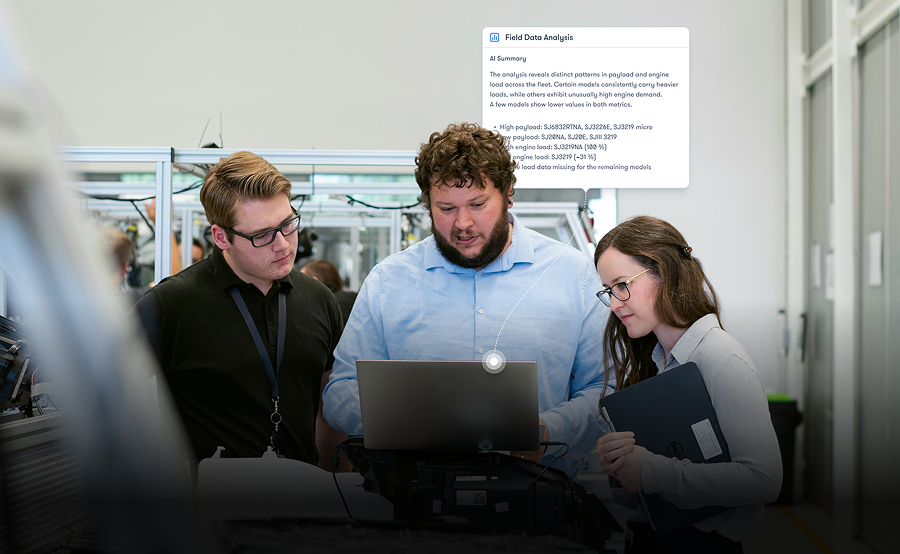
Contractors running multi-site operations typically piece utilization together manually from separate OEM portals. As a result, decisions get made based on the most recently checked system, not the full picture.
IrisX MCP brings that picture together instantly. Project managers and site supervisors can ask plain-language questions about utilization, idle time, emissions, and upcoming maintenance across every site.
Idle fuel consumption varies significantly across sites. IrisX MCP gives contractors a geographic view of where the cost is highest and where intervention matters most.
Untracked idle cost is often the largest hidden expense on a contractor’s equipment P&L. Setting automated alerts for machines exceeding an idle threshold turns visibility into action.
Scope 1 emissions reporting is possible from data already in most connected fleets, without additional instrumentation or manual aggregation. The barrier isn’t the data itself, but that it’s never been in one place before.
Clients and regulators increasingly require this reporting. However, most contractors currently produce it by pulling data manually from multiple portals.
Incomplete information leads to unnecessary rental-in costs and assets sitting idle on the wrong site. IrisX MCP surfaces a single governed view of every site, so decisions rest on complete data. One view, across every asset, replaces the multi-portal guesswork that drives unnecessary costs.
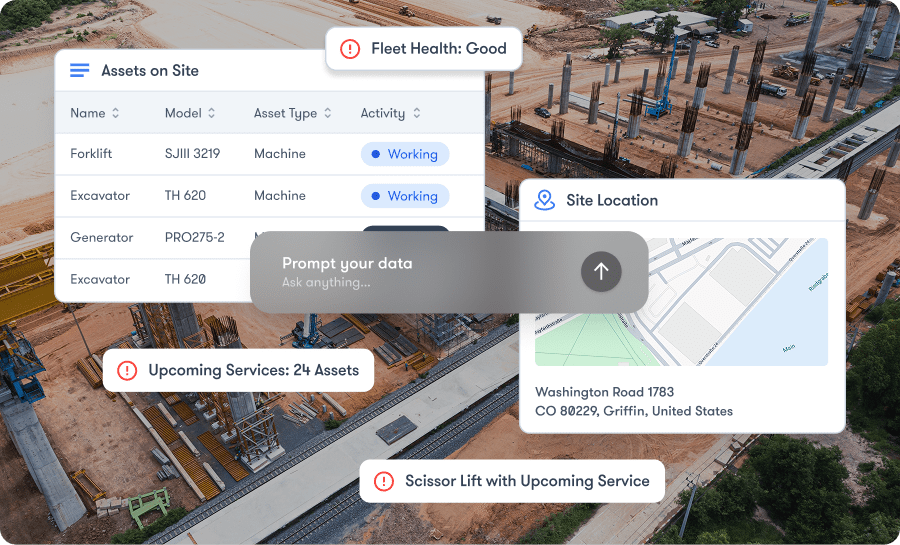
AI tools are already embedded in how most teams work. IrisX MCP is what connects those tools to live construction data, so the answers come from your fleet, not a search engine.
IrisX MCP connects to Claude, ChatGPT, and Microsoft Copilot. Teams can query fleet data, update asset metadata, and create alert configurations through natural language, with no dashboard required.
For one fleet owner using IrisX MCP, answering a reallocation question took two minutes. Previously, the same question meant pulling reports, cleaning data across systems, and aligning across branches over several days.
The most practical starting point is a single question. Pick the one that maps most directly to where the operation is losing time or money. Connect it to live fleet data already in IrisX and prove the value.
Want to see how the IrisX operating data platform can help you find a faster path to value? Book your demo
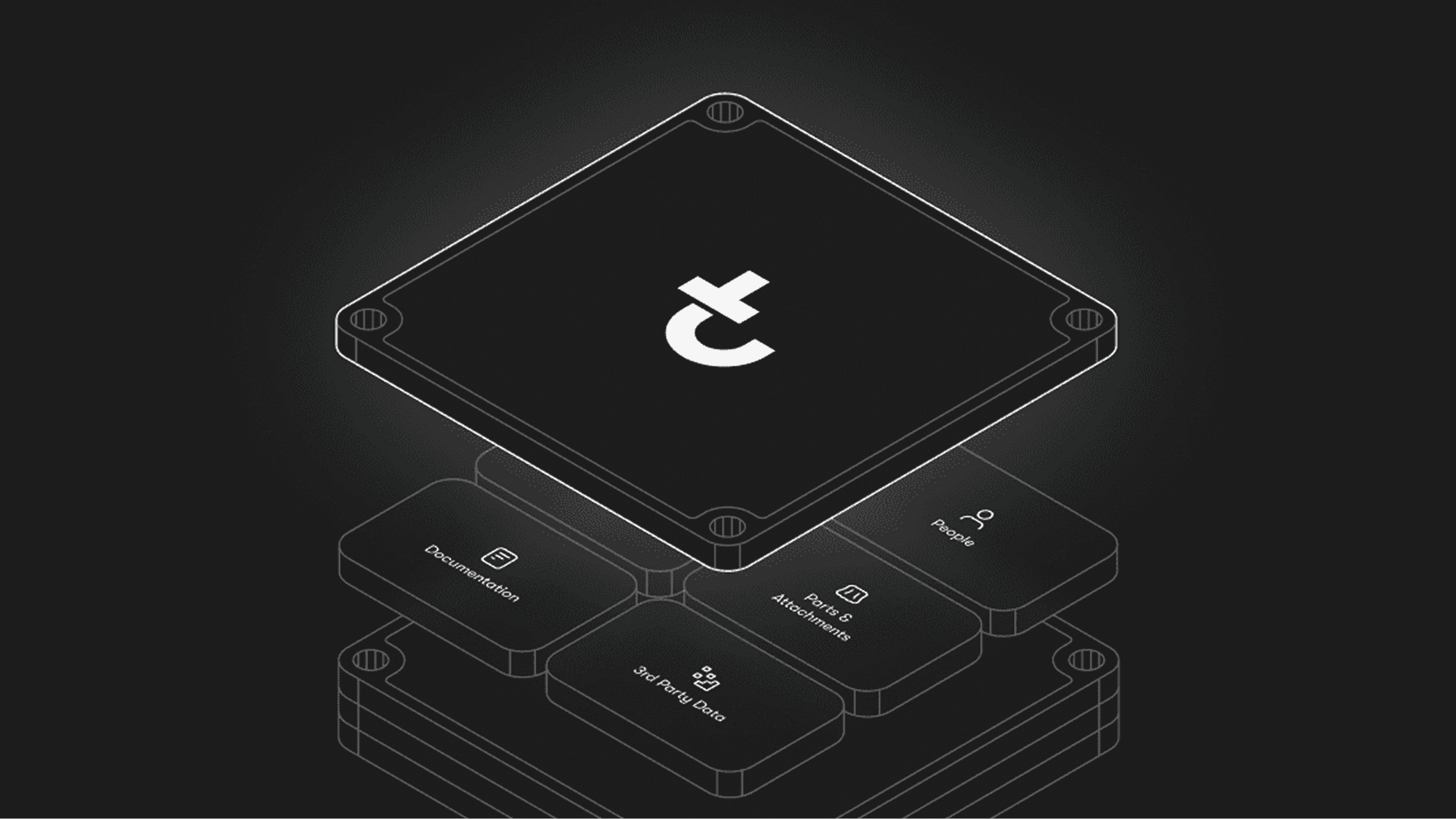
An operating data platform standardizes data from every connected source into a single governed layer. That makes fleet data queryable across every asset and system without manual reconciliation. For a full explanation, see What is a construction operating data platform and why construction needs one.
Questions about utilization, idle cost, fault trends, out-of-contract usage, emissions, and battery health are all answerable in plain language through IrisX Analytics. The platform returns structured answers including charts, written summaries, and recommended actions, without SQL or report-building skills.
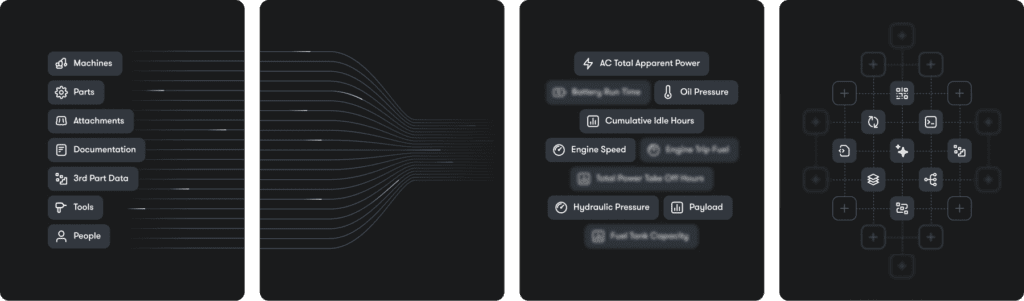
Yes. IrisX maps data from every connected source into a common governed layer, so utilization, fault codes, fuel consumption, and machine health all appear in one view. No separate logins or manual reconciliation required
Yes. The Trackunit IrisX MCP connects IrisX to major AI clients using the open MCP standard, including Claude, ChatGPT, and Microsoft Copilot. No custom integrations or tool switching required.
Ready-to-deploy starting points activate against live fleet data already in IrisX, with no data preparation required. Teams can ask their first question the same day they start. The Trackunit Marketplace lists available starting points by segment and business problem.
No migration required. IrisX Analytics works on data already in the platform, so teams can start with a single use case and expand from there.
Connecting utilization data to contract terms automatically flags overruns in real time. One Trackunit rental customer with around 5,000 machines surfaced more than $1 million in additional revenue this way. The Out of Contract Usage blueprint automates the follow-up workflow.
When service workflows trigger automatically from machine health signals the moment a machine goes off rent, turnaround time drops by up to 50%, based on Trackunit customer data. McKinsey research on condition-based maintenance supports the same direction.
An operating data platform aggregates idle hours and fuel consumption across every site, showing the cost by location so the right team can act before it compounds. The Site Optimization for Idle Cost blueprint sets automated alerts for machines exceeding an idle threshold.
An operating data platform maps fuel and utilization data from every connected source into a common layer. Scope 1 emissions reporting becomes possible from existing machine data, without additional instrumentation or manual aggregation across separate portals.
IrisX provides the data layer and application infrastructure that branded customer portals run on. OEMs and rental companies can configure and deploy portals directly against live fleet data without building separate backend systems. The full breakdown is in Industry cloud platform for construction: what it means for OEMs, rental, and contractors.
Benoît Guibert is a Product Marketing Manager for IrisX at Trackunit, focused on turning construction data into practical, real-world solutions. He brings experience across SaaS, cloud, and digital platforms, helping translate complex technology into clear business value.