





French construction leaders came to Downtime Summit Marseille asking for proof, not a pitch. Rental companies and component manufacturers filled the room, with no contractors this time, and many said AI still felt like more buzzword than substance.
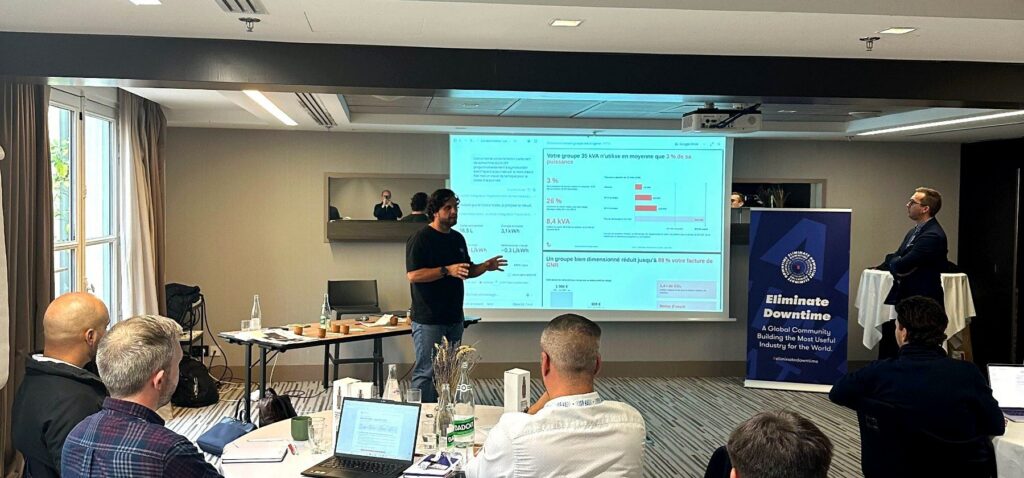
The day centered on a hands-on session. Attendees sat down with Claude connected to Trackunit IrisX MCP and worked on their own fleet questions, technical or not, eager about AI or not. Here’s what they built, and what it means for their businesses.
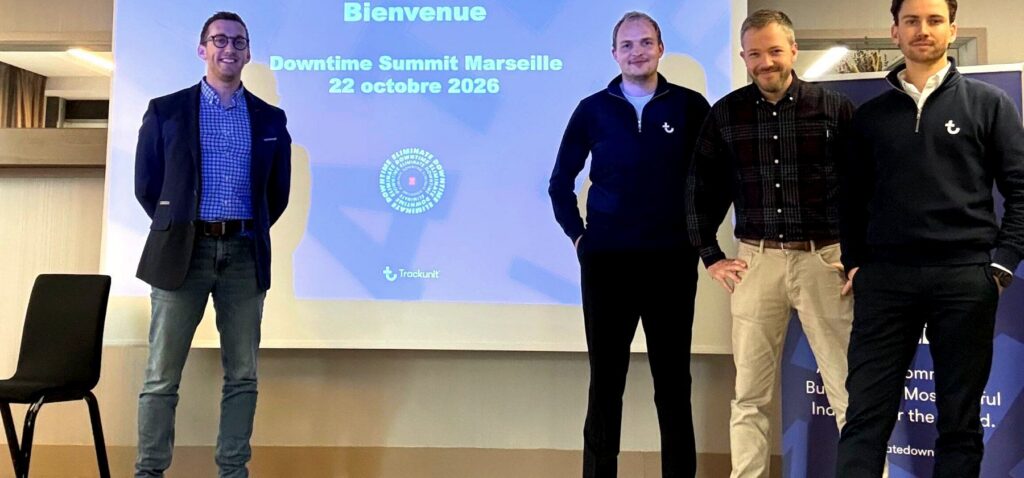
Many attendees were early in their AI journey and used it mainly as a replacement for Google. The main exception was a young owner taking over his father’s business. That fits a pattern in the South, where family businesses pass to a newer generation that leads the conversation about tech and AI.
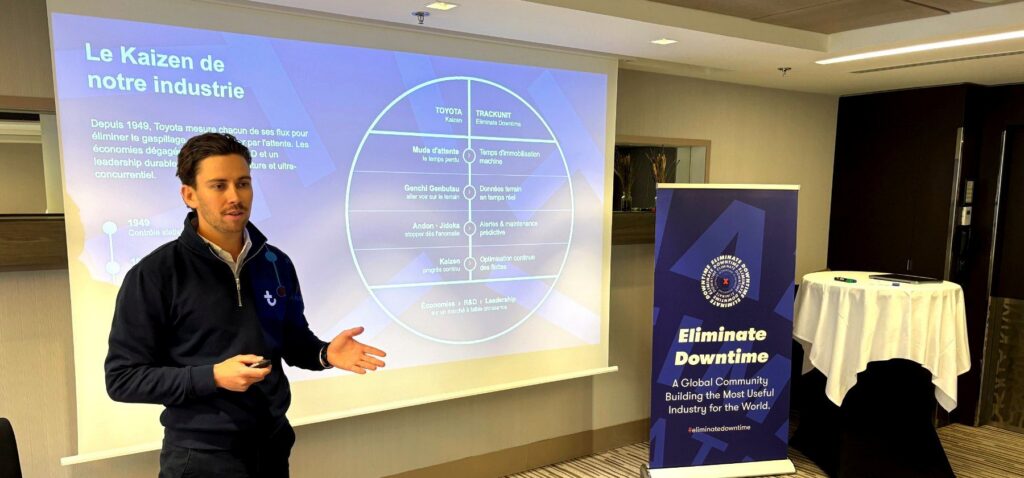
Attendees sat at their own computers, worked with IrisX through Claude, and solved their everyday use cases. Some built, in about 10 minutes, things that would have taken them three days.
A power-generator customer took one use case down to the cost reduction they could suggest to their own end customers, in fuel consumption and equipment sizing. That analysis usually takes three days. AI did it in five minutes, and once it’s saved as a skill, new inputs produce a full report. That turns a three-day project into a repeatable way to advise customers on fuel use and equipment size.
An attendee whose group has a five-person spare-parts team pressure-tested part selection, a job that takes technical knowledge the team doesn’t always have. He then asked for average part prices and, with 20 years in the industry, called the estimates a bullseye.
Engineers from a battery maker’s R&D office ran their battery data and saw a service they could sell on top of the battery. It would help customers manage battery life so they replace it less often. For a manufacturer, that turns product data into something customers can buy. Some customers also presented what they built to the others, unplanned.
What each example shows:
Most attendees started by saving their own teams time on day-to-day operational work. Then the thinking shifted to what their customers keep asking them for.
Rental companies said their own customers keep asking for fuel optimization. They also said contractors ask for emissions reports to include in bids and tenders, which they linked to contractor regulation. Attendees saw that the same tool could build an emissions-reporting dashboard in far less time.
That changed the question. They weren’t building for themselves anymore. They were solving a challenge their customer faces, and some were already thinking about how to charge for it. The event also covered one route for that: Build an app, publish it on Trackunit Marketplace, and put it in your customer’s hands.
Where to begin:
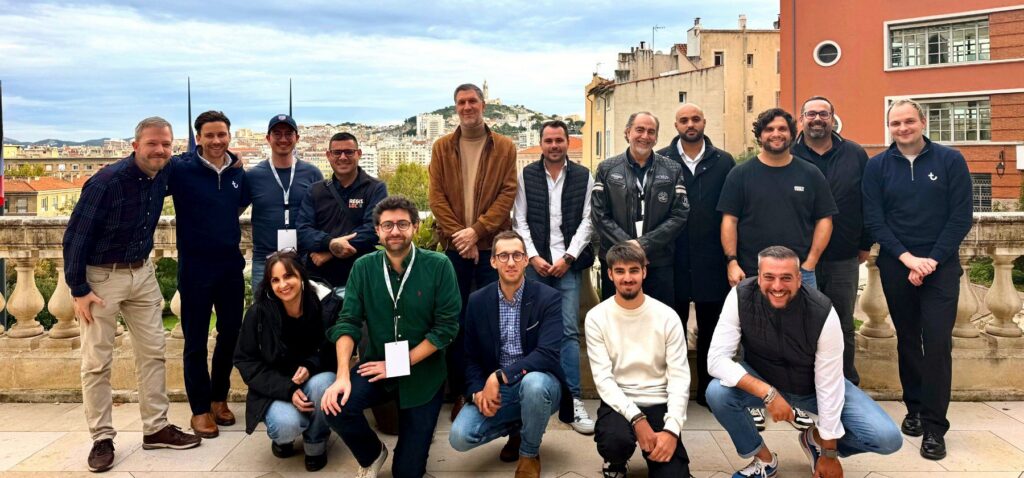
For rental companies, the opportunities that came up were fuel optimization, emissions reporting, and new services for their own customers. For component manufacturers, the battery example shows product data turning into something customers can buy. The common thread is connected equipment data as a commercial asset, not only an operational one.
Across the examples, the conversation followed a clear progression: Save time, then solve a customer’s problem, then create new revenue. But the real opportunity isn’t doing existing work faster. It’s using the same data to offer customers something they couldn’t easily get before.
To keep the conversation going, connect with me on LinkedIn. To hear about future Downtime Summits, sign up for the Trackunit newsletter.
Jérémie Bioteau is Director of Sales, EMEA South at Trackunit, based in France. He joined Trackunit as a Key Account Manager and now leads its sales team across Southern Europe, working with OEMs, rental companies, and contractors. Before Trackunit, he managed more than $30 million in sales at SERTA-Group, after more than ten years in project management and technical sales.