





Innovation does not always start with a big idea. Sometimes, it starts with the right people in one room, choosing a practical problem and working through it together.
That was the focus of the Downtime Summit in Stockholm. Rental companies, contractors, OEMs, and technology partners compared the questions they increasingly share.
How do we make better use of data? Where can AI create value? How do we bring it into everyday work?
What struck me was not how different the challenges were. It was how rarely people from across the industry get the chance to work through them together.
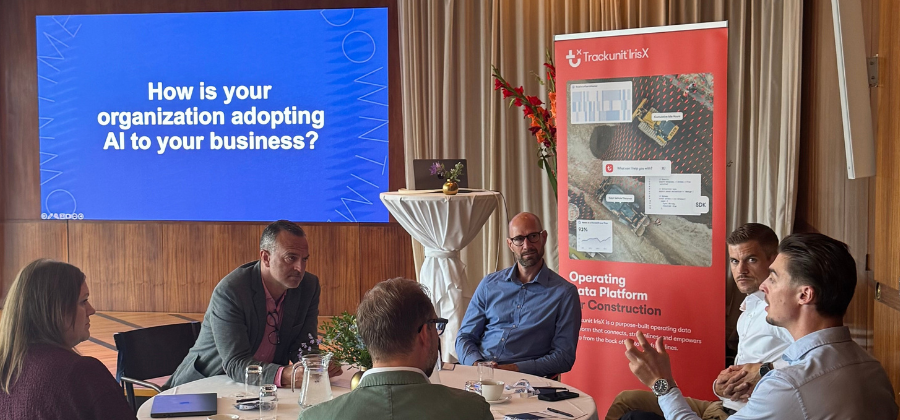
There are many Nordic associations focused on individual groups within the construction industry. Few bring rental companies, contractors, and OEMs into the same conversation.
Data, service, fleet utilization, emissions, and AI cut across the value chain. They connect the people who make equipment, rent it, operate it, and support it.
When those groups work separately, the same problem can be solved twice. Or missed twice.
Downtime Summit is a working conversation, not a lecture about AI or Trackunit standing at the front with all the answers.
The attendees compared what they had tried, what had worked, and where they were still getting stuck. The advice that came up most often was simple: Start with one problem you understand, prove the value, and build from there.
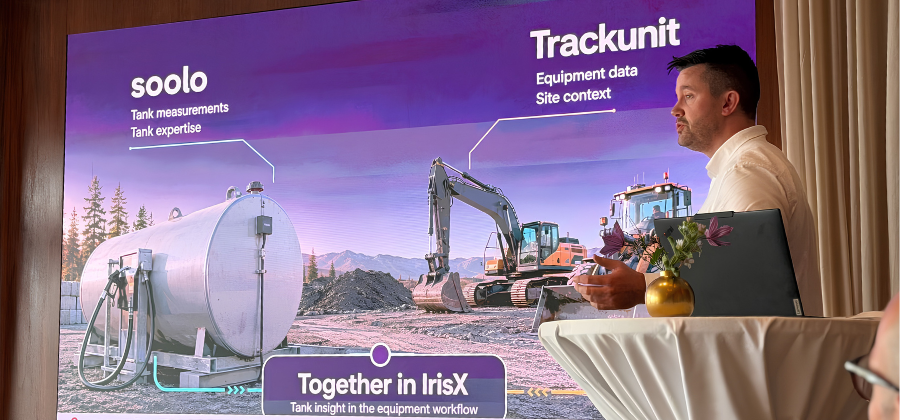
Alexander Hatlestad, General Manager of Soolo, began his session with the question: How do you bring together useful data that already exists in separate systems?
Soolo’s tank gauges provide live fuel-level data. Connected with Trackunit equipment data, that information gives depot and fleet teams a clearer view of fuel availability alongside the machines it supports.
Key takeaways:
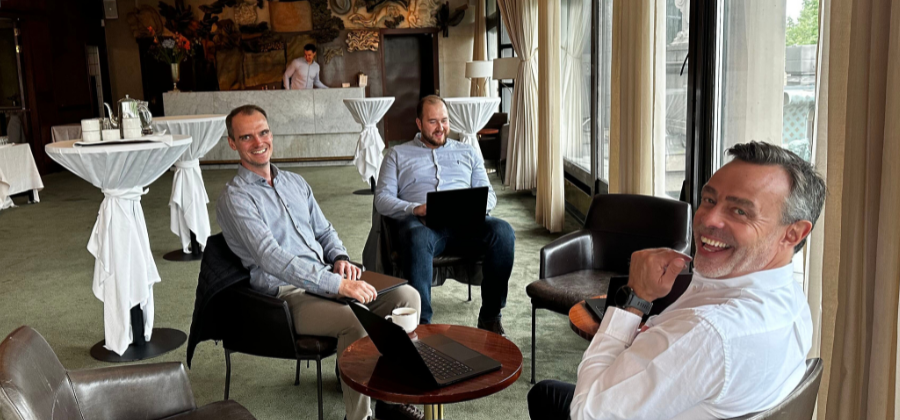
The same start-small approach shaped the AI workshop at the Summit. In breakout sessions, teams used Trackunit IrisX MCP to explore realistic fleet management scenarios.
Model Context Protocol (MCP) is an open standard that lets AI applications connect with external data sources, tools, and workflows through a common interface. Trackunit IrisX MCP uses that standard to connect AI tools such as Claude, ChatGPT, and Microsoft Copilot to your equipment and fleet data, so teams can ask questions in natural language and get answers based on what is happening in their operations.
One contractor-focused group examined fuel consumption and possible fuel-loss patterns across a simulated fleet. In around 20 to 30 minutes, the team created a dashboard showing where fuel loss appeared most likely, which machine types were affected, and what actions to investigate next.
A rental-focused group looked for equipment operating beyond its contract terms. It identified machines that could require follow-up or additional billing.
A key takeaway was the role of prompt efficiency. Teams saw that clearer questions, relevant context, and a narrower scope helped produce stronger answers. This provided a practical starting point for their next experiments with AI and fleet data.
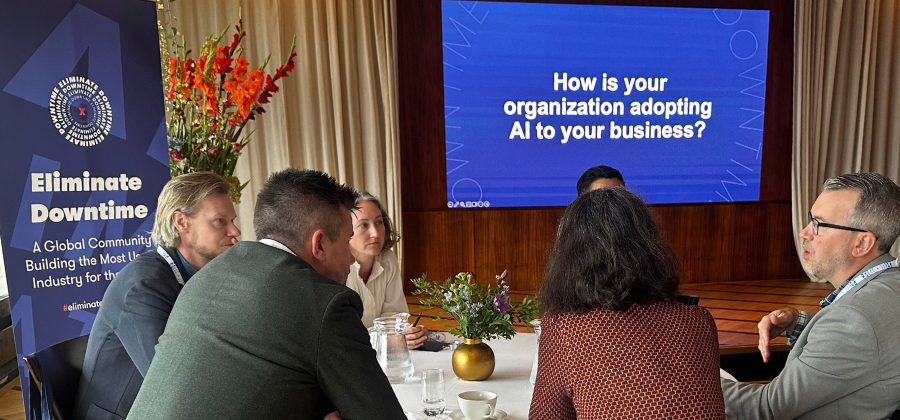
The first Downtime Summit Nordics brought people together to compare notes, share practical ideas, and discuss what to try next.
This is only the beginning. We will keep building this forum to exchange ideas, learn from one another, and turn useful experiments into everyday progress.
To join the conversation, connect with me on LinkedIn. Keep up with Trackunit’s mission to eliminate downtime in the Nordics and beyond, sign up for the Trackunit newsletter.
Atle Jensen is VP of Sales, Nordics at Trackunit. Based in Norway, he has spent close to two decades in Nordic construction and rental technology, including seven years as Trackunit’s Country Manager for Norway and Finland before moving into regional sales leadership.