





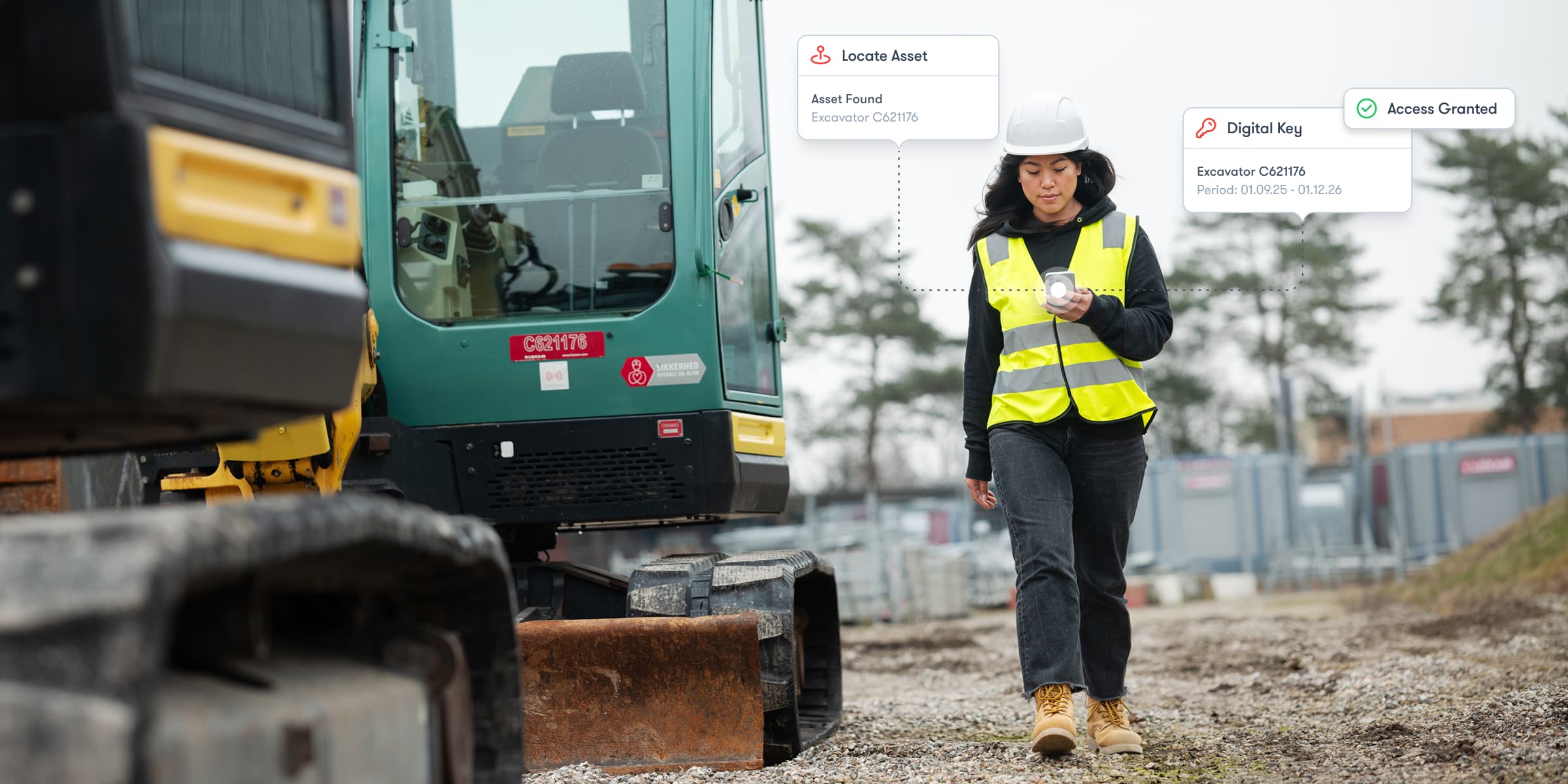
Go to one of the megaprojects being built right now and you can have as many as 100 different contractors on the same jobsite, all with machinery there.
At its most basic level, digital access management ensures only the right people can use that equipment. If I’m ABC Contracting, I can make sure only my employees can move my machine. If it’s a specialty piece of equipment, I can go further and make sure only the people certified to operate it can start it.
Without that control, somebody can climb into a machine, find the keys and start it. When you’re talking about equipment that can cost more than a million dollars, with the potential for injury and liability if the wrong person is operating it, that’s a risk worth controlling.
Access management does that first. It also gives you a record of who was operating the machine and when.
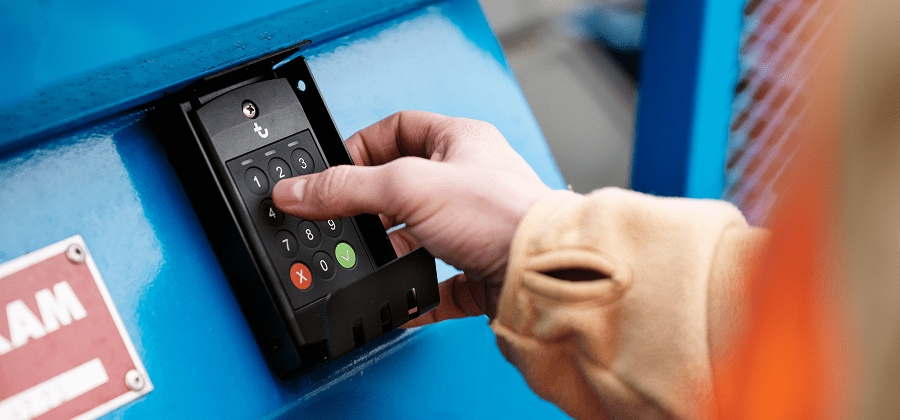
Each operator gets their own code or, in some cases, uses a badge they already carry. That means if something happens, you have a record of who was operating the machine.
Say a machine was due for service two weeks ago and now it’s broken down. You can look at who was operating it, what was reported during inspections and whether the machine continued working after an issue had been identified.
That gives you somewhere to start figuring out what happened and whether the same problem can be prevented next time. The same operator record can also tell you something when things are going well.
Say you’ve got 17 cranes of the same type on similar jobsites doing similar work. One is operating something like 50% more efficiently than the others, and you see that it’s consistently the same operator.
That’s worth a conversation. What is that operator doing differently, and can the other 16 replicate it?
The access record tells you who was operating the machine. Put that alongside the usage data and you have a place to start looking for practices that might save the company time or money.
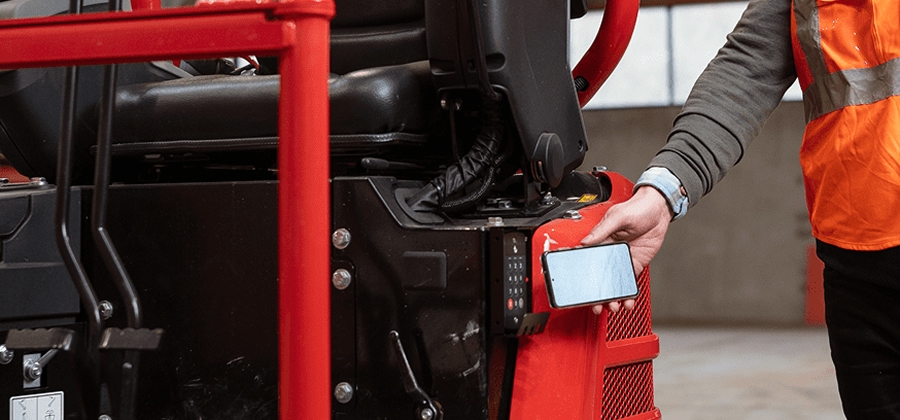
I’m a big believer in pre-trip and routine inspections, whether they’re tied to access management or not.
You get to a jobsite on Thursday morning and somebody says the machine wasn’t damaged when they left yesterday, but now the headlight is cracked. Without a pre-trip inspection showing the condition of the machine, it becomes an argument about when the damage happened.
Maybe it happened yesterday. Maybe it’s been there for two weeks and somebody is only reporting it now.
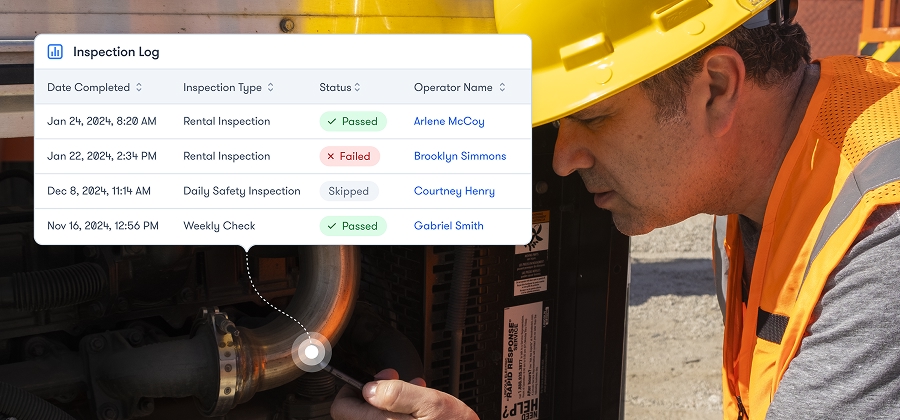
Inspections give you a record of the machine’s reported condition. Access management tells you who was operating it. Together, they give you a much better starting point when you need to understand what happened.
Start with the equipment where controlling access matters most. On a large jobsite, that might mean keeping one contractor’s equipment from being operated by another company’s crew. With specialty machinery, it means making sure only certified operators can start it.
Then keep it simple:
Trackunit Access Management assigns access to individual operators across supported equipment, so an unauthorized operator can’t simply find the keys and start the machine.
The first job is making sure the right people can operate the right machines. Once that’s in place, the access record gives you something else to work with.
Use it alongside inspections and machine data to understand what happened when something went wrong, and what your best operators might be doing differently.
Nate Smith has more than 15 years of experience in fleet management and construction technology. He joined Trackunit in 2024, where he is Vice President of Sales for the Americas, working with contractors across North America to help them get more out of their connected fleets.