




Over my 15+ years working in the construction industry, I have watched the same cycle repeat itself: Fuel prices spike and everyone starts pulling idle reports. Then prices ease off, and the urgency disappears.
The contractors who actually move the needle are different. They never let the urgency disappear in the first place.
With fuel costs elevated right now, the stakes for getting this are high. The response that actually pays off is not a short-term fix. It’s building habits that stick.
According to the EPA, a heavy-duty diesel truck burns up to a gallon of fuel for every hour at idle. For diesel equipment, you can idle a little longer before that formula really bites. But it is still a useful way to think about profitability across any contractor fleet.
Here’s what that looks like on a real job site. It’s 110 degrees out. The cabs on modern equipment are air-conditioned, quieter, and more comfortable than ever. That’s a good thing. But it also makes it a lot easier to leave the engine running instead of shutting down.
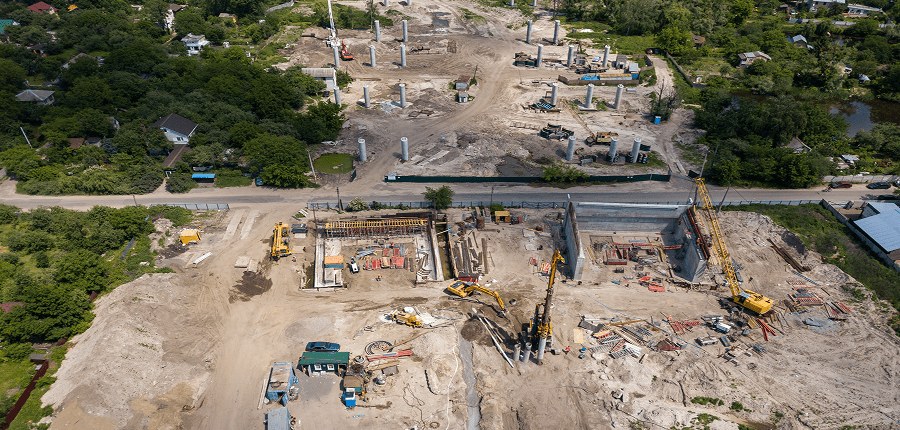
Say you have a thousand pieces of equipment on a job site. A quarter of the operators sit in their cabs during lunch for an hour with the engine running. You just burned 250 hours of fuel.
Now multiply that across multiple sites over a full season. Nobody is doing anything egregious. Nobody is trying to hurt the company. But that has a serious impact on the bottom line.
The good news is this is a controllable cost. Idling is one of the few variables contractors can improve quickly, with the assets they already have.
If I were running a fleet and looking at idle reports, the first thing I would want to know is what times of day idling spikes. First thing in the morning is not a big deal. You are starting up assets and getting them warmed up.
But that morning spike should be the only one you see. Getting visibility into where the other spikes happen is what makes it possible to act. Trackunit contractor customers acting on fleet-wide utilization insights can save up to $146,000 over five years per fleet.
Patterns that quietly drain your fuel budget:

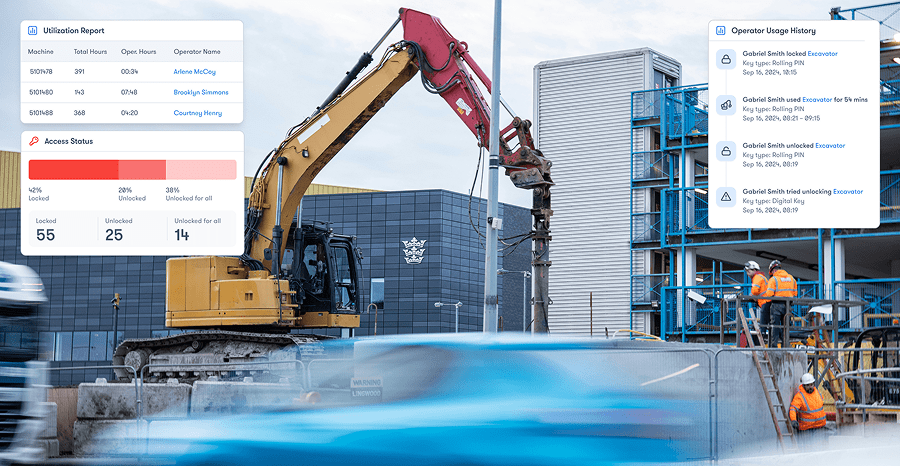
Once you have visibility across your fleet, clear policies and automated alerts are the next step. That is where real behavior change happens.
You can set up alerts to catch excessive idling. For example, a notification sent directly to the foreman that says these assets are violating your company threshold. If your policy is 20 minutes, anything over that gets flagged.
Anything over that means you are spending company money on an asset that is just sitting there. That kind of real-time alert changes behavior in a way that a monthly report never will.
What high-performing contractor fleets do differently:
Idling has been a core part of telematics for 15-plus years. Most contractors understand the benefits. However, when fuel costs ease off, the monitoring tends to ease off with it.
The contractors who come out ahead keep paying attention regardless of where prices are. Fuel costs cycle. Whatever is driving them up today will eventually ease, and something else will drive the next spike.
The best time to build the habit is before that happens. Trackunit CEO Soeren Brogaard recently made the case for why the current fuel environment should accelerate smarter fleet operations — and it’s worth a read.
Idle time has always been there. The difference now is that it no longer has to stay hidden.
Nate Smith has more than 15 years of experience in fleet management and construction technology. He joined Trackunit in 2024 where he is Vice President of Sales for the Americas, working with contractors across North America to help them get more out of their connected fleets.