




Every contractor I talk to says safety is their number one priority. And I believe them. Getting people home safe is not a talking point. It’s the foundation everything else is built on.
But safety on a job site with 50 contractors, hundreds of machines, and crews that have never met each other is completely different from a site you control completely. The intentions are the same. The exposure is not.
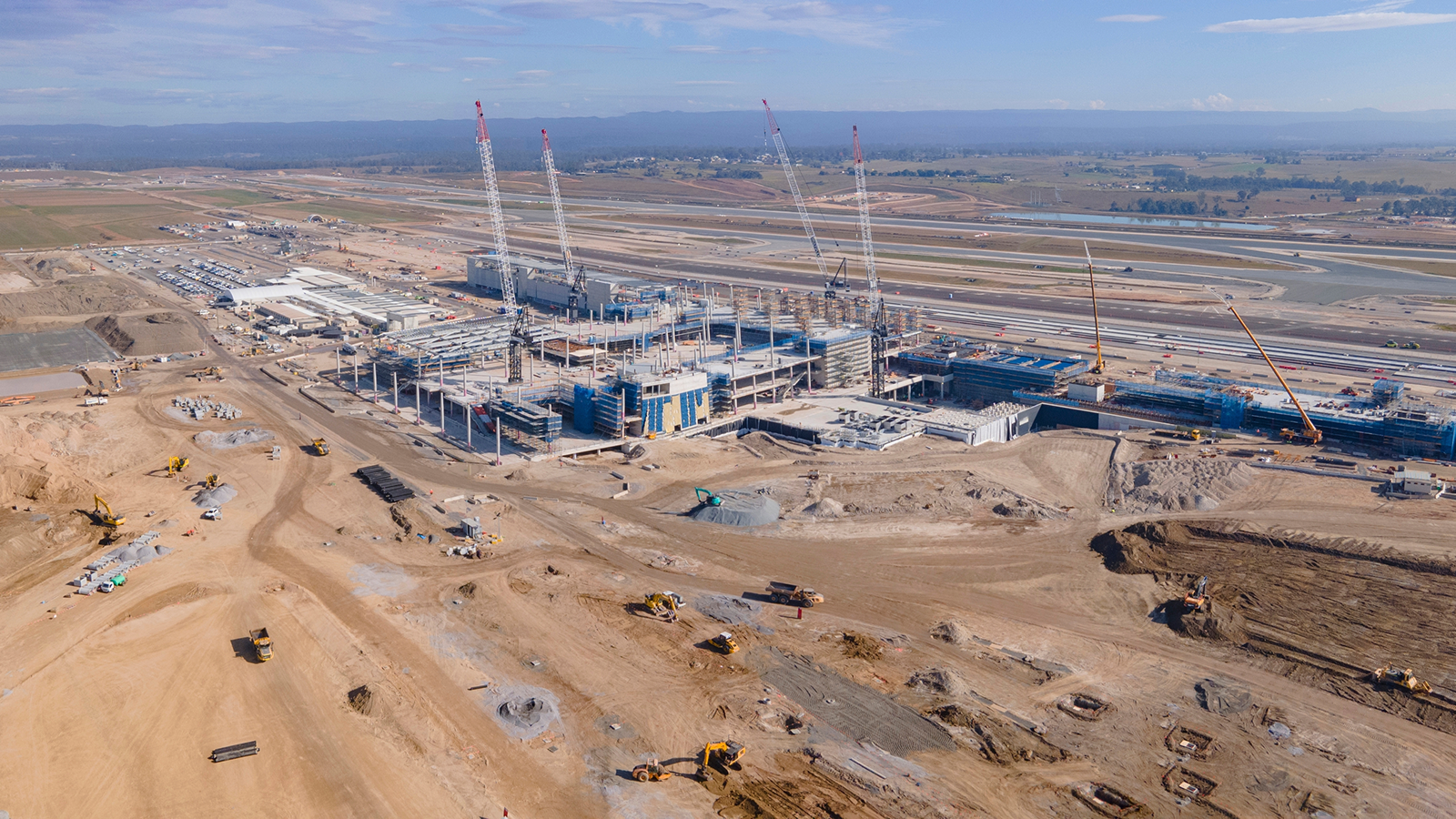
Picture a large data center build. Fifty different contractors on one site, all doing their jobs, all trying to keep things moving. A piece of equipment is blocking another crew’s work. Someone nearby sees the problem and makes a judgment call.
Nobody is trying to do anything wrong. The instinct is to help.
But if that person is not authorized to operate that machine (say it is three times the weight class of anything they have ever been trained on) the exposure in that moment is enormous. It is an everyday, real-world concern on any megaproject.
Construction carries the highest safety liability of any industry in the United States. According to the Liberty Mutual 2025 Workplace Safety Index, U.S. employers pay more than $1 billion per week in direct workers’ compensation costs for disabling, non-fatal workplace injuries alone.
OSHA penalties for willful or repeat violations now reach over $165,000 per violation. When something goes wrong on a job site, the financial hit is immediate.
Most contractors have strong training programs. Certifications are tracked, operators are qualified, and site managers know who can run what.
That works well on a controlled site with your own crew. It stops working when you add 49 other contractors, when crews rotate between projects, and when equipment gets moved under pressure.
Training tells you what someone was certified to do at a point in time. It does not stop a good operator from jumping into the wrong machine when the job needs to keep moving.
What good intentions on a complex job site cannot protect against:
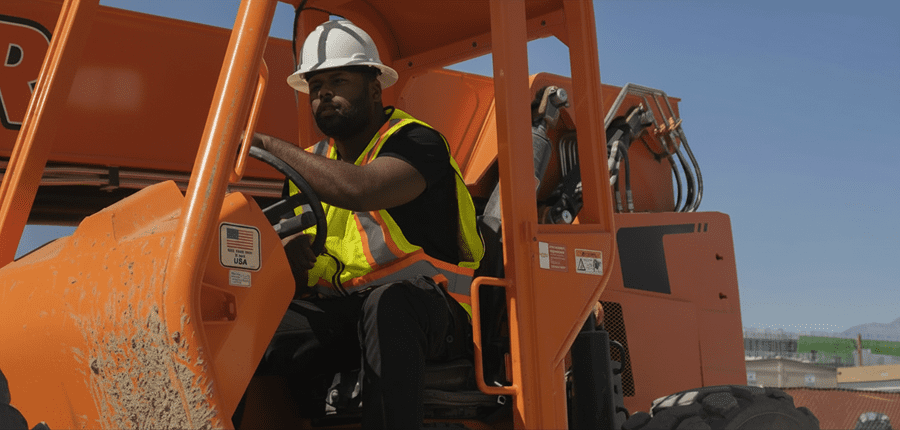
Digital access management is straightforward. Only authorized operators can start specific machines. If someone is not on the approved list for that asset, it does not run.
There’s a second benefit that does not get talked about enough. When access is tied to individual operators, you get a precise record of who operated what, for how long, and when.
From a payroll standpoint, that is accuracy down to the minute. From a compliance standpoint, you can confirm no operator has logged excessive hours and then climbed back into a machine when their judgment may be compromised.
What access management makes possible on a complex job site:
The question is not whether to use access management. Most contractors already understand what it does and are not opposed to using it. It really comes down to a cost-benefit analysis: what does the hardware and monitoring cost on a monthly basis versus the risk and liability exposure it protects against.
That calculation looks different depending on your operation. If you have owned equipment that only goes on sites you fully control, with no outside contractors ever touching it, your risk is already mitigated to some degree.
But the moment you are sharing a site with other companies, or running specialty equipment with strict certification requirements, that math changes quickly.
Start with the assets where unauthorized use creates the greatest exposure. Build the controls there first, then expand from that foundation.
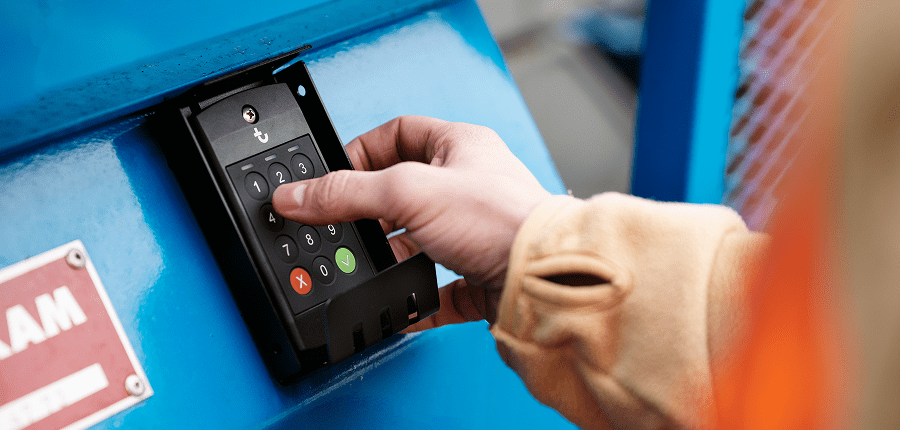
Every contractor has their own way of managing risk on site. Training is essential. Certifications matter. Good site management makes a difference.
But access management is what makes sure that even on your worst day, with your best people, a split-second decision cannot turn into a multi-million dollar incident. The machine will not start.
That is how the best contractors are closing the gap. Not by replacing what already works, but by putting a fail-safe behind it.
Nate Smith has more than 15 years of experience in fleet management and construction technology. He joined Trackunit in 2024 where he is Vice President of Sales for the Americas, working with contractors across North America to help them get more out of their connected fleets.