




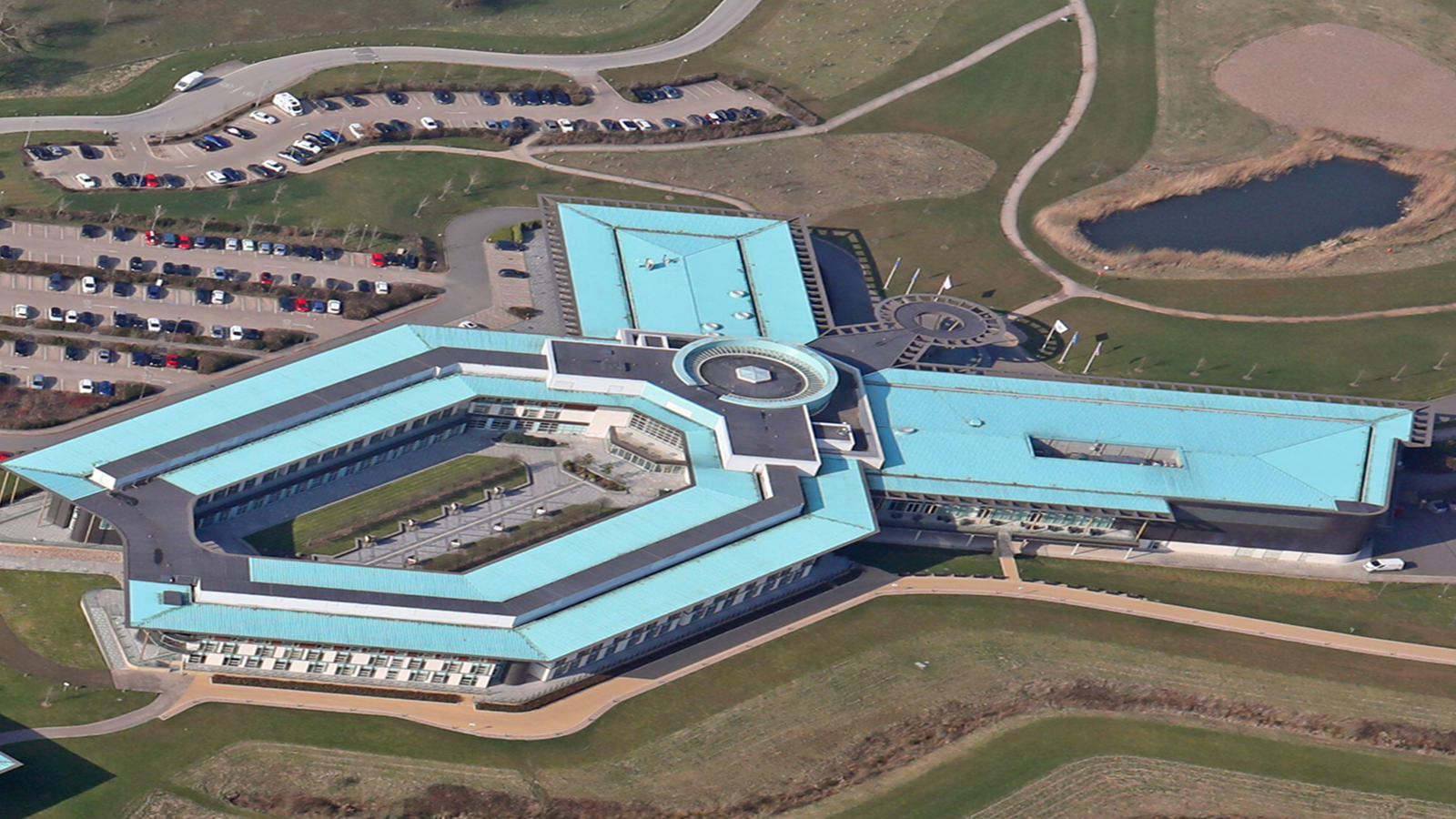
This summer, Trackunit hosted the Downtime Summit UK at St George’s Park in Burton upon Trent, the national training ground for England’s football teams.
The event brought together 24 senior leaders from rental, OEM, and contractor organisations around a shared priority: Eliminating downtime. They spent a half-day on one question: How do you actually get value from AI?
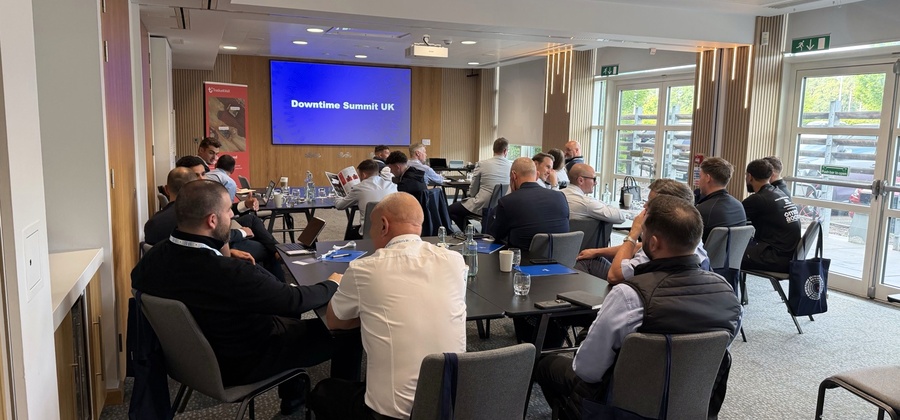
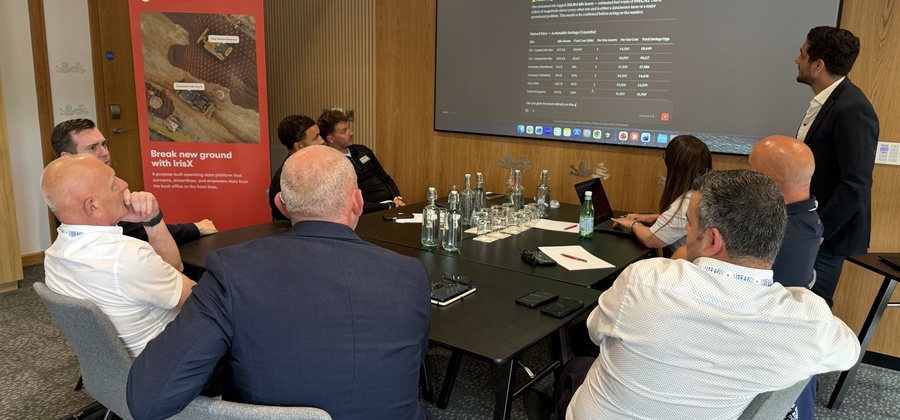
By the end of the day, most participants had identified a practical first step for using AI in their business. During a hands-on workshop, teams used Claude connected to Trackunit IrisX MCP, allowing them to query equipment and fleet data using natural language.
The exercise showed how quickly AI can surface hidden revenue opportunities, utilization gaps, and operational inefficiencies when data is accessible through a single interface. One group identified a potential £30,000 in savings over three months. That’s a week of analyst time, done before lunch.
The message was consistent across rental, OEM, and contractor. AI can tackle everyday operational work faster than most teams are managing today. The question isn’t whether it works. It’s how you bring it into the way people already run projects, fleets, and service.
Contractors at the summit said they need clear answers that reach project managers, not more reports. PMs are making calls based on gut-feel, because trend analysis arrives late and filtered through someone else’s interpretation.
The fix isn’t more data. It’s finished output, already relevant, in the right hands before the moment passes. Contractors are working toward AI that closes the gap between the insight and the decision.
Where contractors are headed:
Rental leaders we spoke to want AI working across the full lifecycle of every contract, from depot departure to return. They’re looking for earlier signals and earlier action, not better reporting after the fact.
When the first sign of a problem is a customer call, the hire time is already gone. The goal is proactive fault detection and utilization tracking, so the right teams have time to act.
Where rental is headed:
OEM leaders at the summit described a familiar pattern. Their machines generate data customers want, but it arrives as raw numbers with nothing to help anyone act on it.
The conversation shifted when someone asked: what if instead of a data export, you sent a recommendation? “You’ve got this bulldozer. This is how you need to operate it. We’re monitoring it. It looks unhealthy.” One OEM called that a different business model. They were right.
Real-world usage feeding back into product design is the longer-term prize nobody in the room had fully mapped out yet. When that loop is closed…
Where OEMs are headed:
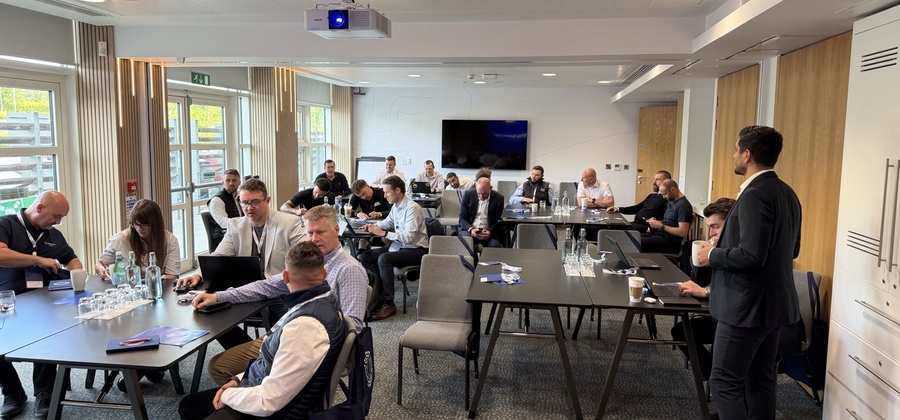
Most participants came in with limited hands-on AI experience. By the end of the hackathon, the AI had coached each group through the task step by step. No prior prompting experience needed.
What the day showed is that the barrier isn’t the data or the technology. It’s knowing where to begin and having the confidence to take the first step. Once people did, results came faster than anyone expected.
Many of those starting points already exist in IrisX Blueprints. When we showed the room, phones came out. These weren’t people who needed convincing that AI is real. They needed to see that much of the groundwork had already been laid.
How to start eliminating downtime with AI:
James Hardwick is Regional Director, UK&I and Benelux at Trackunit. He joined in January 2026, bringing 15 years of construction technology experience from Trimble and Xpedeon.