




I recently spoke with a very successful rental company where AI mostly meant searching on ChatGPT instead of Google. So I picked an example that has nothing to do with construction machine data.
“Look at my screen,” I told them. “I grow my LinkedIn network automatically with an AI assistant.” “If you have a report or something you do that you can automate, let it work in the background. Then you can focus on the work you can’t automate.”
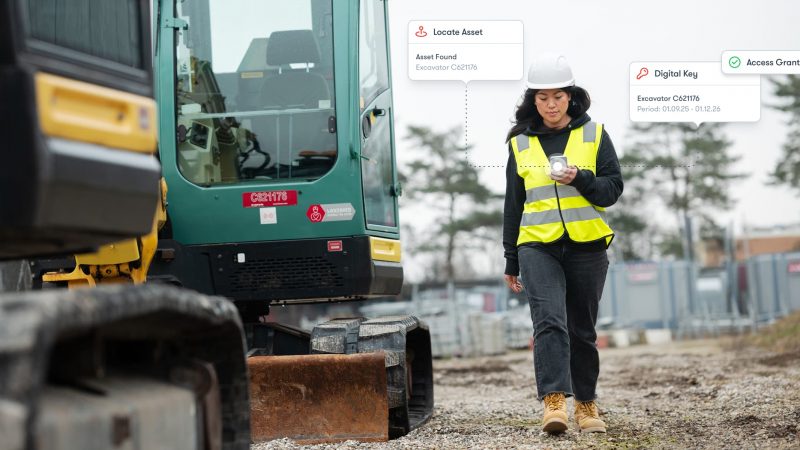
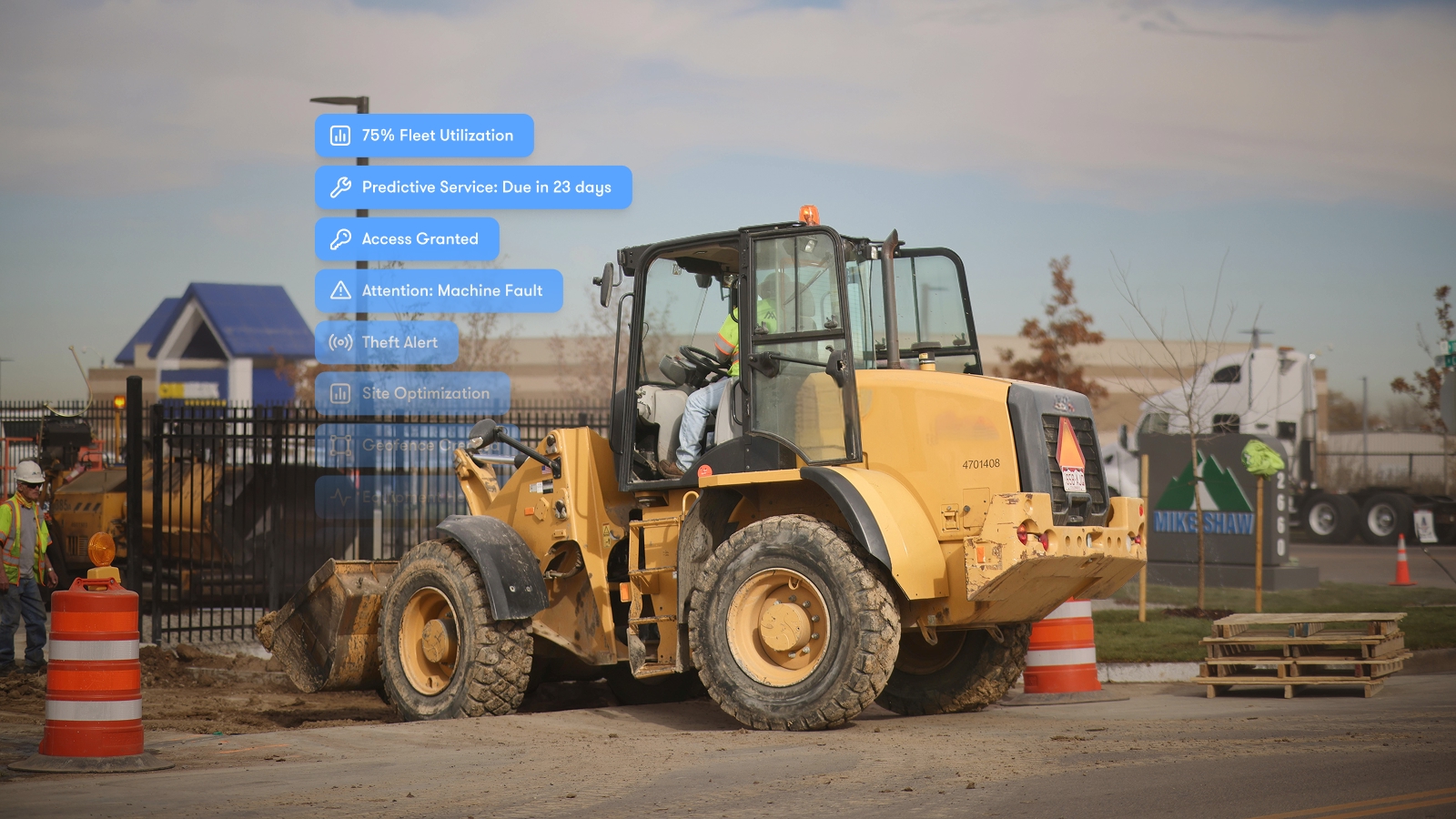
The same idea applies to construction machines. They already report what’s needed to automate a routine decision.
I’m based in France and work across Southern Europe, where the data is already coming from the machines. The way in is simpler than most expect: One routine, running in the background.
Construction machine data has come a long way. In 1998, in the Nordic countries, Trackunit’s telematics units showed where a fleet was and how many hours each machine had run.
Trackunit brings together data from OEM feeds, its own devices, and Bluetooth tags across more than 6 million assets, and sees more than 3 billion data points a day. The point isn’t 120 tabs, one for every brand. With Trackunit, it’s one all in on place.
What that data covers:

Right now, all of my customers are asking me about the EU Data Act. It has applied since 12 September 2025 and gives users of connected products more control over the data those products generate.
Their first reaction is understandable: The data is ours, so we want more of it. The next question is how to use it to generate revenue.
The answer depends on who you are, because Trackunit plays a central role between OEM/Rentals/Contractors, collecting data that has a very different value for each company.
Picture one machine, built by a manufacturer, owned by a rental company, and working on a contractor’s site. All three want its data, but each one wants something different from it.
What each one needs from the machine’s data:
Leadership teams get the value, but technology alone isn’t enough. It only shows up when operational teams use the data every day. The driver who transports an excavator and the technician who sets it up on site are where the data meets the job.
Take AdBlue, the fluid diesel engines use to cut emissions. Sending a technician out just to refill a tank shouldn’t happen in 2026. And yet in my experience it still accounts for a high percentage of emergencies at many rental companies and contractors.
The machine already reports its AdBlue level, so a low reading can trigger an alert and put the top-up into someone’s planned visit before it becomes a call-out. Customers ask for help here most, because they want to depend less on people, especially now that keeping staff is hard.
The picture isn’t the same everywhere. The Nordic countries began this transition earlier, and in Southern Europe many customers and prospects are still early in their digital journey.
Part of it is perception. Many companies still picture connectivity as an ERP rollout, with two years of work, a heavy organization, and a cost nobody wants. In 2026, it doesn’t look like that.
As a company of Danish origin with a base in France, Trackunit has a role to play here, in support and in education. Many mid-market companies have the money, and what they need is something really plug-and-play, with a first result they can measure.

Start with one recurring problem, like AdBlue top-ups. Identify the machine data that can help solve it. Then turn it into a routine that runs in the background, without anyone checking a dashboard every morning.
Use the time you get back for the work only people can do. In construction, it isn’t the data that’s missing. It’s our willingness to act on it.
Jérémie Bioteau is Director of Sales, EMEA South at Trackunit, based in France. He joined Trackunit as a Key Account Manager and now leads its sales team across Southern Europe, working with OEMs, rental companies, and contractors. Before Trackunit, he managed more than $30 million in sales at SERTA-Group, after more than ten years in project management and technical sales.