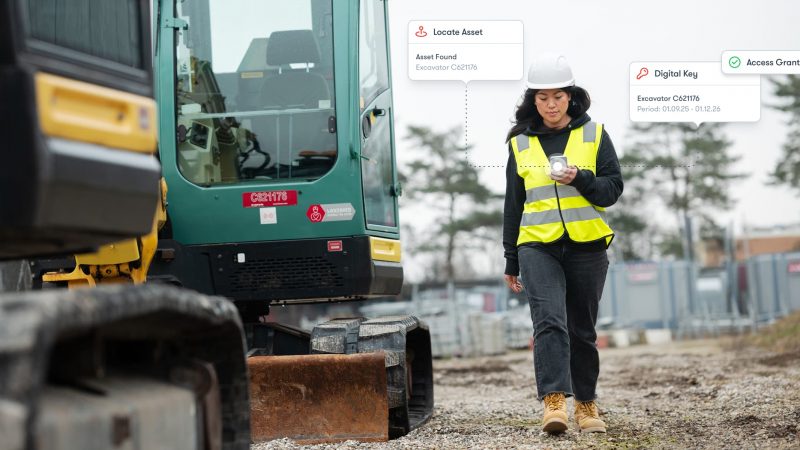





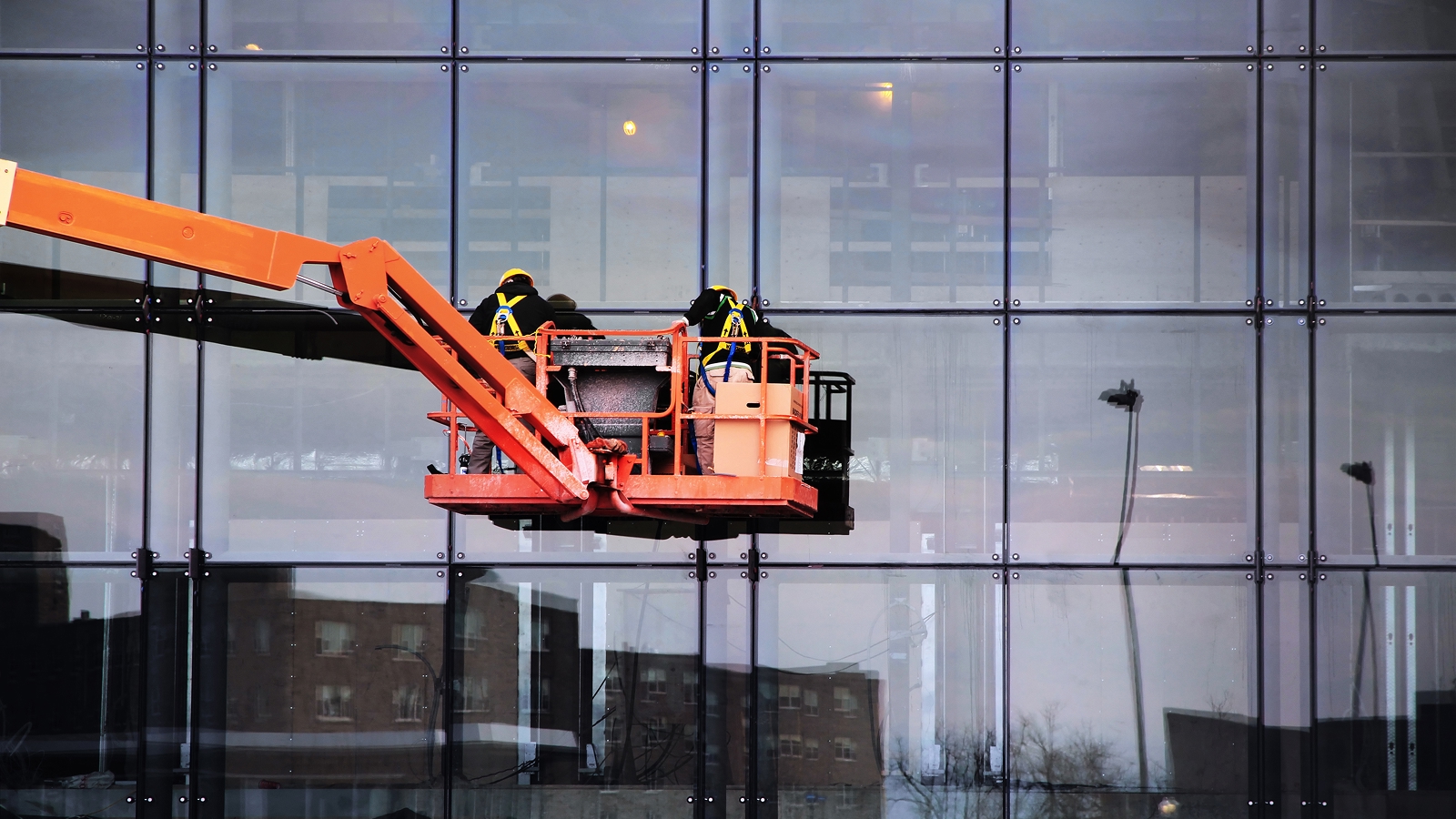
A sensor-equipped machine logs a proximity event on Monday and a zone entry on Wednesday. The pattern repeats a third time, then a fourth, before the fifth becomes a statistic. Much of that data already sits on the machine, and it just isn’t visible where the decisions get made.
This industry has built a world-class system for recording what went wrong. The next step is a protected near-miss signal, shared across rental companies, manufacturers, and contractors, that shows where risk is building.
Credit starts with IPAF. Standards, training, and the PAL card all came from the federation. The results show it. IPAF’s Global Safety Report 2026 counts 76 fatalities in 2025, down 24% on the year before, from 170 fatal and major incident reports in 25 countries.
The same report finds that serious outcomes generally come from well-understood hazards, not new risks. A work-at-height webinar on the topic framed it the same way: The root causes of serious incidents are known and preventable. That’s hopeful, because a well-understood hazard is one the industry can catch earlier, while it’s still a near miss.
IPAF has been asking for more near-miss data since at least its 2021 safety report. Its 2026 Check It! campaign repeats the call. Near misses can go into the Accident Reporting Portal, or anonymously through the ePAL app.
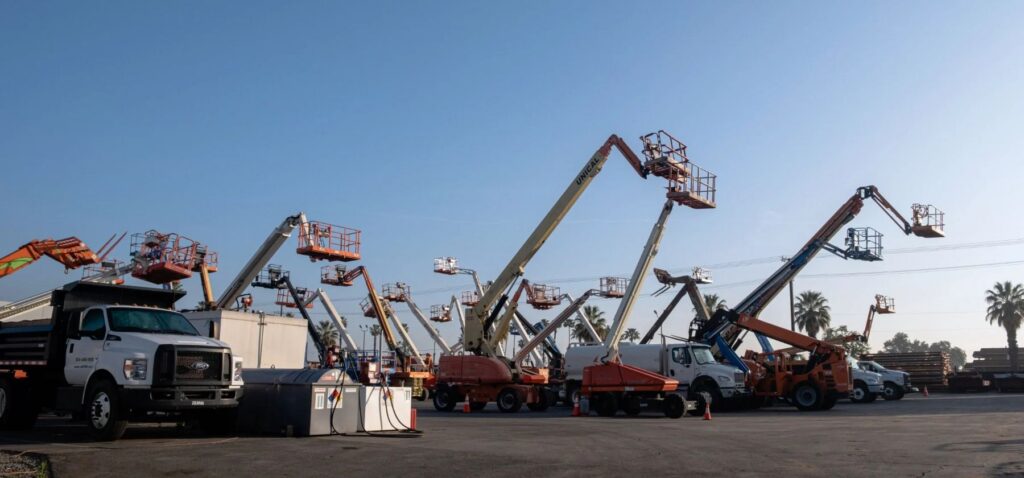
IPAF received 262 near-miss reports in 2025, against 170 fatal and major incident reports. That’s roughly one and a half near misses for every serious incident. The figures point to a substantial reporting gap, because too few near misses enter the systems that help the industry learn. The reason is how the evidence is distributed.
The OEM knows the machine, how it behaves, degrades, and fails across thousands of identical units. The rental company knows the fleet, with its service history and certificates on file. The contractor knows the site, including the ground, the zones, the operator, and the pressure that operator was under that morning.
Every serious event sits in the gap between those three views, and closing it is the opportunity.
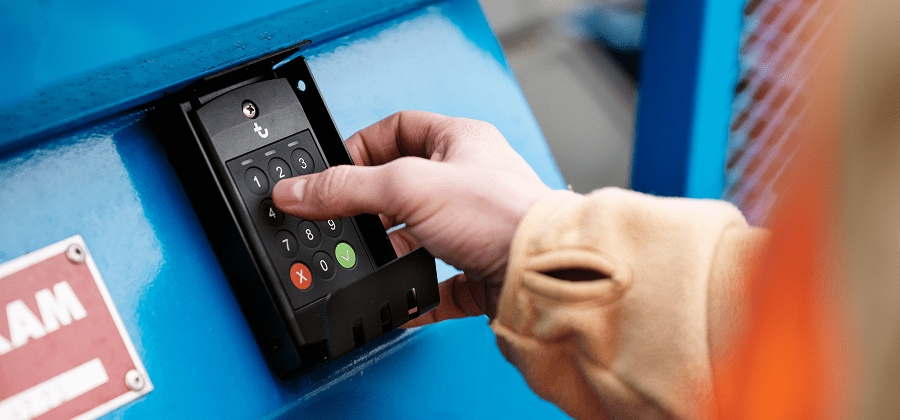
Inside one fleet, the foundations are strong. A MEWP safety record shows who was on the machine, whether it stayed within its rated limits, and whether it flagged a fault first. Access management adds the operator side, since only authorized operators can start a machine. Every start can then carry a named operator.
The next gain comes from joining those views across companies.
Aviation faced the same problem and built a working precedent. The European Parliament’s summary of Regulation (EU) 376/2014 covers three protections: Reporters stay confidential, the information serves safety only, and a just culture protects the people who file.
A just culture, as EASA’s guidance describes it, protects front-line people for actions that match their experience and training. Airlines share because the law made it safe to share. Powered access can’t write that law alone, but it can build on the same model.
The signal says a near miss occurred on a 3b machine, in a given duty profile, at a given severity band. It doesn’t carry a rate, a customer, a site name, or an operator identity.
Rental companies protect utilization data, manufacturers protect warranty position, and contractors protect claims history. A signal is designed to protect all of it, and because the machine generates it, nobody fills in a form. Aggregation thresholds and safeguards against re-identification keep any pattern from pointing back to one fleet.
IPAF would be the natural body to govern a standard like this, so no single vendor owns it. It could oversee de-identification and safety-only use, and the industry can call together for legal protection for those who file.
Three conditions, all from aviation, make it work:
Now picture the opening pattern in the shared signal. It shows a cluster of proximity near misses on one machine category, in one duty profile, across several companies this month. No single company could see that alone.
Each then responds with its own data. The rental company checks its own fleet for operator certification, expiry dates, and category eligibility, and closes any gap. The OEM checks its own fault data across those units, and learns whether the cluster points to the machine or to how it’s used.
The contractor checks its own zones and access records, and adjusts the site where the pattern points.
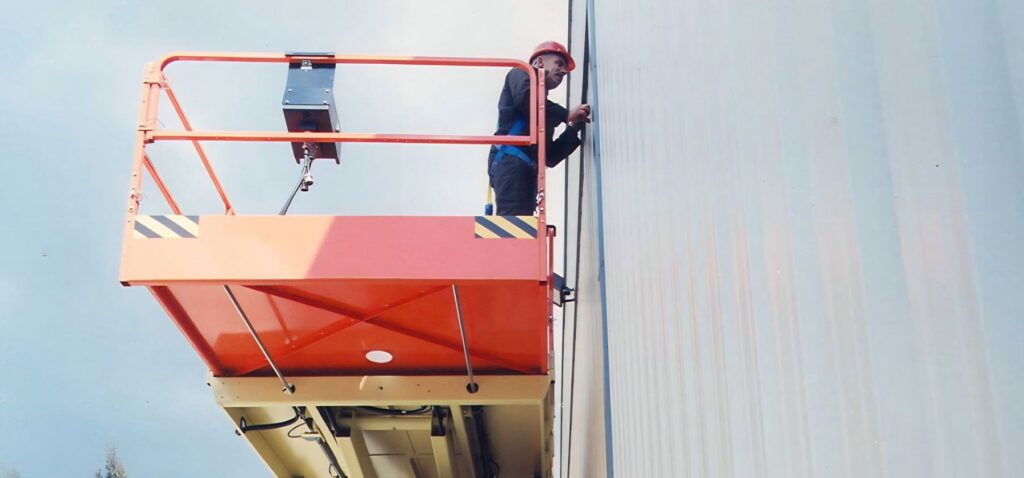
Go back to the machine that logged a proximity event on Monday. Rental, OEM, and contractor each hold part of the picture that could stop the fifth one, and one protected signal lets them see the pattern across all three. The standards, the data, and the precedent are already in place.
Safety stops being something the industry proves afterwards. It becomes something it prevents beforehand. I’m asking this industry to agree on one signal, and to demand the protection that makes it safe to send.
The machines are already watching. The question is whether the industry lets them warn each other.
Domokos Spéder is Vice President of Business Consulting at Trackunit, where he has spent nearly a decade advising construction OEMs, rental companies, and contractors on turning connected-equipment data into commercial results. He is the featured executive in Databricks’ customer story on how Trackunit built its IrisX platform.