






During the hands-on session at Downtime Summit Rotterdam, the energy around the tables picked up fast. As guests worked through their own fleet questions with Trackunit IrisX MCP, you could see it click how AI could help with challenges they deal with every day.
IrisX MCP connects AI assistants such as Claude and ChatGPT to equipment and fleet data, so teams can ask questions in plain language. For several guests, AI was still new territory. By the end of the hour, some were recording what it was doing on screen.
Twenty-two people from rental companies, contractors, and OEMs joined us in Rotterdam on October 22. I had the pleasure of leading the hands-on session. The day combined a group discussion, a panel debate, and that hands-on session.
Digital maturity varied widely across the room, but the same point kept coming up. Most of these businesses have connected their machines and collected the data. What they want now is to turn it into decisions. The people making the most progress started with a problem they already knew well, not with an AI strategy.
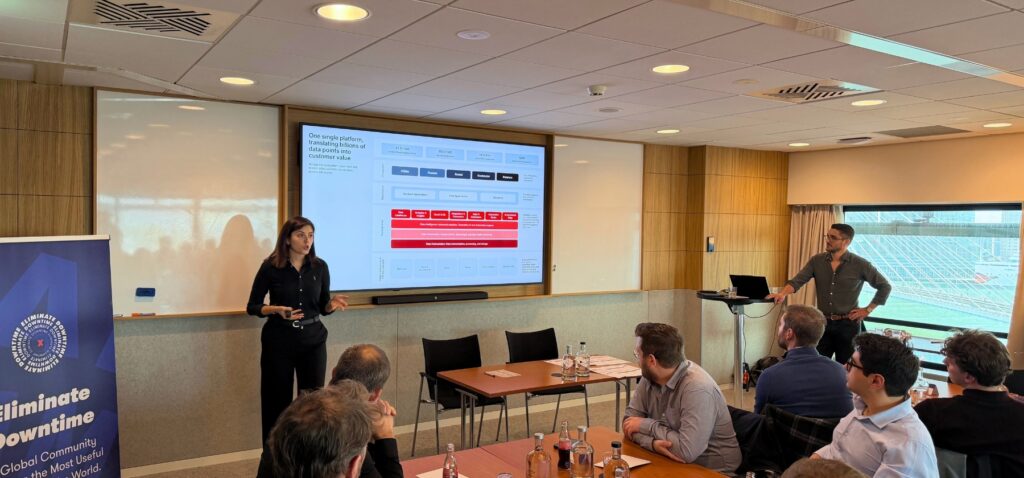
The panel brought together two guests, one from a leading rental company and one from a leading OEM. What struck me was that they came to AI from opposite directions.
At the rental company, the push came from management, and the first project was finding machines being used well beyond their rental contracts. At the OEM, it started with one person automating a routine task, then showing his manager what was possible. Different starting points, but both began with an operational problem they already had.
Most of the day’s conversations came back to one question: Will this machine be available when I need it? For some companies in the room, that’s hard to answer because their telematics and service systems don’t talk to each other yet. Fault codes sit in one place and maintenance records in another.
Most companies in the room want their data to do more of that work for them. Instead of a long list of fault codes, they want to know which issues will actually affect availability. Few are as automated as today’s tools allow, but that’s clearly where they want to go.
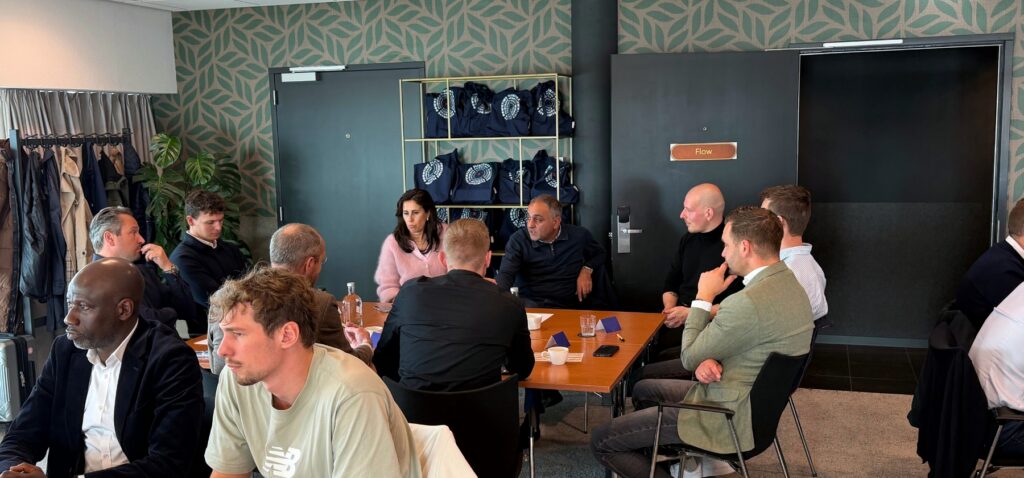
Predictive maintenance was the key topic at the rental and contractor tables. But predicting a failure is the easy part to picture. The harder part is everything after it.
Someone has to decide whether that fault will stop a critical job, what to fix first, and how to get it done before the machine goes down. The value isn’t in the prediction. It’s in acting on it in time.
At Downtime Summit UK earlier this year, we went straight into the technical session, and people needed more context first. This time, we explained what IrisX is and what it can do before the groups got started. You could see it land as people took photos of the screen.
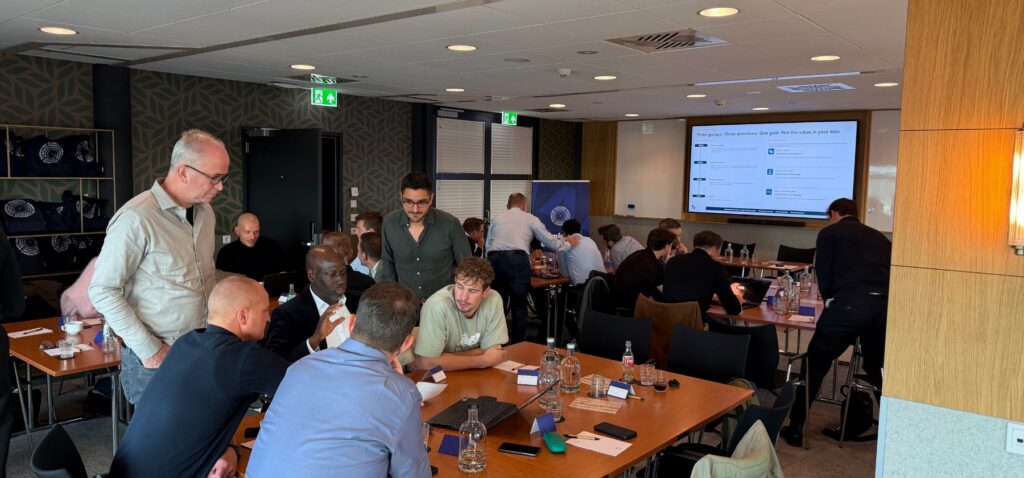
The groups then worked on problems every fleet team already knows: unrealized rental revenue, cost savings, and idle and unused equipment. Every group had a result within 20 minutes. The feedback across the tables was that the tool was easy to use.
Data security came up at least three times during the day. One attendee asked about ISO certification. Another put it simply: If I’m on IrisX, does that mean you have access to my data?
Those are exactly the questions to put to any provider before connecting AI to operational data, along with whether the AI respects the permissions you’ve already set. Here’s how that works with IrisX. Trackunit’s platform is certified to ISO/IEC 27001:2022, and every IrisX MCP query is scoped to the user’s existing permissions. The AI only sees data that user is already cleared to access.
The guest at the laptop wasn’t the only one whose view seemed to shift during that session. That’s what stays with me from Rotterdam.
AI adoption rarely starts with a strategy. It starts when someone sees it answer a question they deal with every week, and Rotterdam gave several people that moment. Thank you to everyone who joined us, and to our two panelists for being so open with the room.
Follow Trackunit on LinkedIn for updates on future Downtime Summits.
Simina Scripat is a Business Consultant at Trackunit, based in Copenhagen. She works across Trackunit’s go-to-market organization, building partnerships with technology and industry partners and helping construction businesses turn their data into a competitive advantage.