




Over nearly a decade of advising OEMs at Trackunit, I have sat in on a lot of digital reviews. There is almost always a slide showing the installed base climbing quarter after quarter. It looks like progress.
That number can be misleading. A machine can stream data every minute, but that data only becomes valuable once someone acts on it. If a machine is connected but no one logs into it, no dealer builds a pitch around it, and no operator works it into their day, it is just a data feed.
The value shows up at a different moment, when the people around the machine start doing something differently because of it. That moment is adoption, and it is where OEMs win growth.
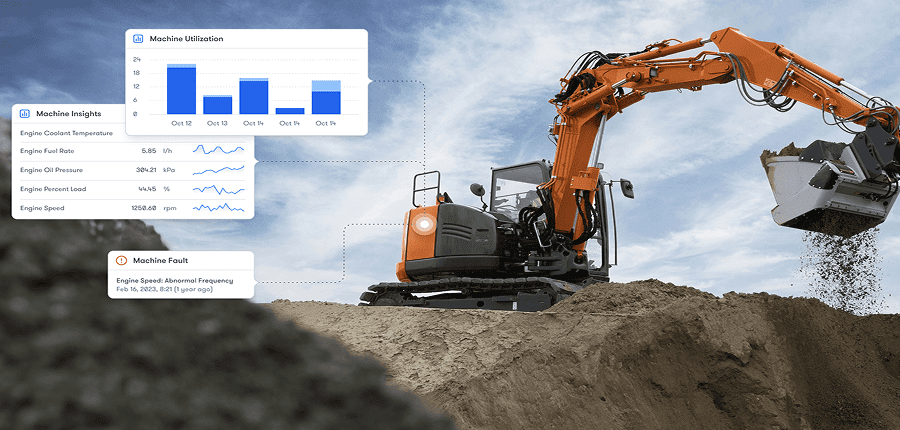
Start with two numbers. The installed base is every machine that can connect. The activated base is where your customers and dealers actually use the digital product in their daily work.
In a lot of the fleets I see, the activated number is the one with room to grow, and that is the real story. Every machine in that gap is a paid-for capability waiting to pay off in learning, stickiness, and aftermarket pull.
It is the most expensive kind of waste, because it is invisible. The box is ticked, the machine is connected, and the value never arrives.
Closing that gap is the opportunity, and it often starts with the dealer.
Dealers are where OEM value can be won. They are excellent at selling iron and service. Selling digital value is newer ground for them.
Explaining why a fleet manager would activate an account (and what changes on a Monday morning) is a different skill. Many dealers need help with that.
When the dealer can’t make the value feel real, the customer never activates. Equip the dealer to sell it, though, and that turns around fast.
To sell digital value, a dealer needs three things:
Switching an account on is the start, not the finish. A customer who logs in once and never comes back hasn’t adopted anything.
Real adoption is when the product becomes part of the customer’s daily work: How a service visit gets scheduled, how a site gets run, how the next machine gets ordered.
This is the link that is easy to miss. Data on its own changes nothing. It creates value only when it changes a decision.
A changed decision is what turns into money, whether that is booking a service earlier, sending a part once, or moving a machine before it sits idle.
Installed software shows up in a contract. Used software shows up in a routine.
Here is how adoption compounds:
The objection I hear from OEMs is that the hard part is getting machines connected. The part is largely solved now. BCG’s 2025 industrial services benchmark found that 28% of new machines now ship with remote connectivity, nearly triple the historic average.
The gap is what comes next. In that same study, only 4% of manufacturers had turned connected machines into recurring digital revenue. Getting machines used, and learning from them faster, is the harder and more valuable problem.
Connectivity is the cost. Adoption is the return. When adoption works, a connected fleet turns into something commercial, with more aftermarket revenue, more efficient service, and customers who would not switch away.
The OEMs I would bet on for the next decade are not the ones with the most connected machines. They are the ones whose machines are used every day. Connected machines generate data. Used machines generate growth.
Domokos Spéder is Vice President of Business Consulting at Trackunit, where he has spent nearly a decade advising construction OEMs, rental companies, and contractors on turning connected-equipment data into commercial results. He is the featured executive in Databricks’ customer story on how Trackunit built its IrisX platform.