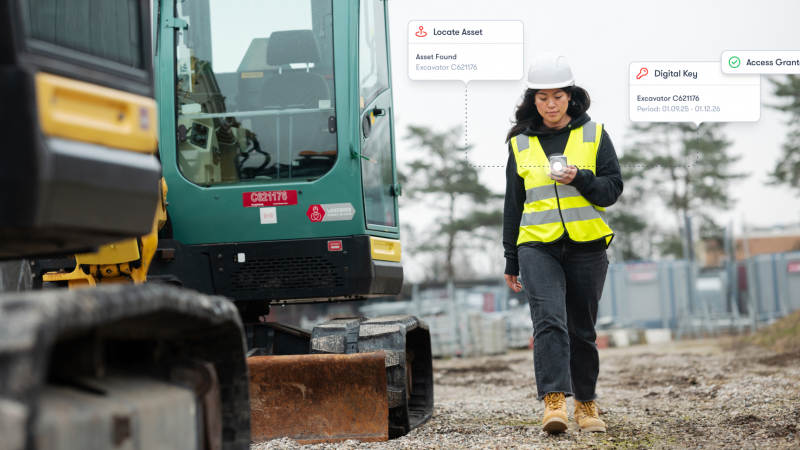




Telematics in construction equipment rental is not new. Today, most large rental companies have a high percentage of their rental fleets connected in core category classes. This presents a new opportunity to use that data to improve fleet economics for the owner, but also passing the value derived from data to the end customer.
The rental market is growing. According to the American Rental Association, the construction and industrial equipment rental penetration rate hit 57% in 2024, its highest level since before the pandemic. More contractors are renting. That raises the stakes for every rental company trying to protect margin and keep equipment available.
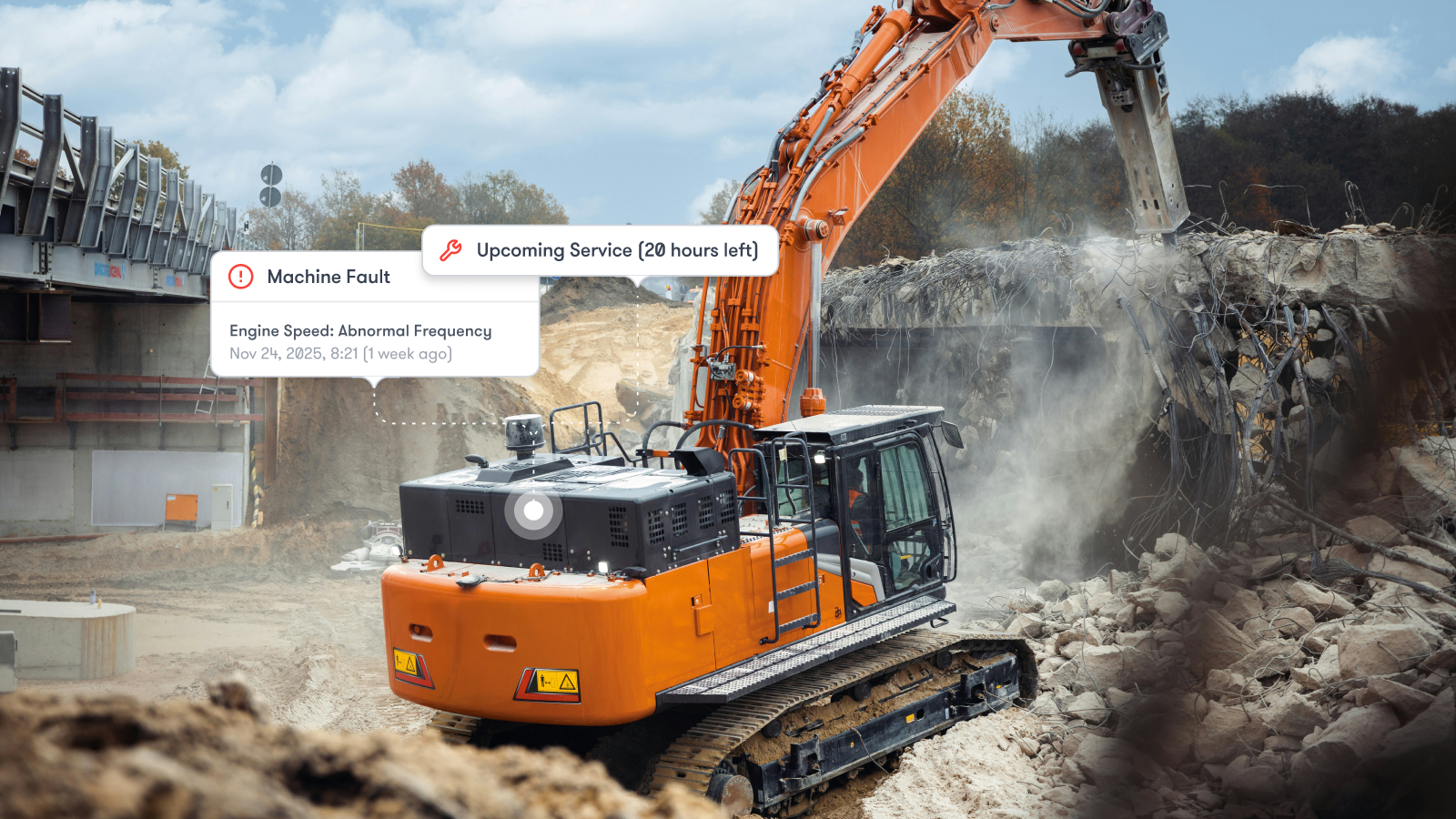
The real gap is between visibility and action. Connected asset health is the practice of using real-time machine data, fault codes, operating hours, and condition signals to monitor and act on equipment performance while it is still in the field.
Across both heavy and light equipment, the shift is from reacting to failures to proactively planning for fleet maintenance. In practice, the available connected fleet data is often not leveraged or consolidated to deliver actionable insights. In some cases, the data could sit in multiple OEM portals and create a complex data web that rarely drives consistent action.
A branch manager overseeing a mixed fleet from three different OEMs is toggling between three separate portals just to get a picture of fleet health, and in many cases, they stop doing it. Decisions revert to fixed schedules and gut feel because the data is too fragmented to use confidently.
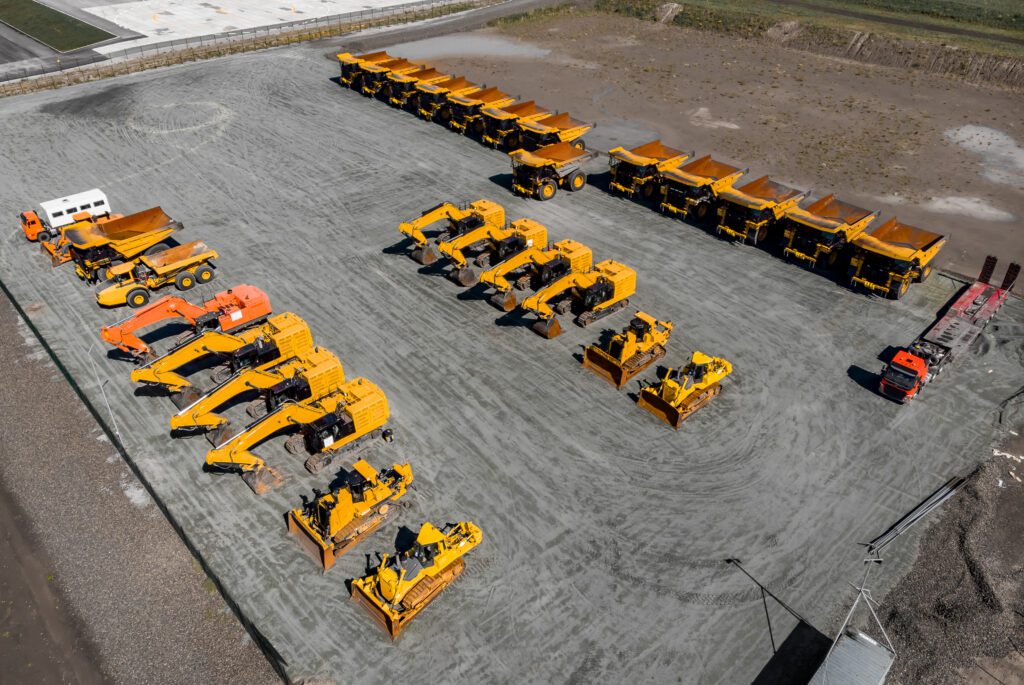
When that same data flows into one view, the picture changes. The rental businesses that get value from connectivity do not chase every alert. Instead, they pick a short list of signals that really matter and build simple responses around those. That discipline is what turns connectivity into lower maintenance cost and higher uptime.
More innovative rental companies are starting to explore predictive maintenance in a pragmatic way, using patterns in fault and usage data to intervene earlier instead of trying to predict every failure perfectly. Unifying platforms across the operation is often where that journey starts.
Once a machine leaves the yard, it is easy to assume no news is good news. The contract is running, and machine utilization is high, so nothing appears to demand attention.
For most rentals, on-rent revenue is secure as long as the contract is active and the unit is not formally off rent. The real problems build quietly in the background. Hidden degradation turns into major failures, lost rental days, and higher repair bills later in the life of the asset.
Usage can also drift beyond agreed terms without being billed or clearly owned by anyone. That erodes realized rate and creates friction between rental company and customer.
Out on the job, operators often work around fault codes or reduced performance. Components wear faster than expected without triggering a service call, especially on long-term rentals.
If hours, conditions, and contract dates do not match what is on the invoice, realized rate on otherwise healthy jobs gets dragged down. Safety and liability risk grows because it is unclear who is responsible and whether the machine is being used safely under the right terms.
When usage and health data are monitored and acted on while equipment is still on rent, you can intervene early, control maintenance and technician costs, and bring risk back into line before it shows up as a write-off.
On the heavy side of the fleet, the stakes are higher because the investment is higher. These machines often sit on long-term jobs where failures are expensive in downtime, maintenance cost, and lost rental days.
If you do not act on asset health while equipment is on rent, problems build undetected. By the time the machine comes back to the yard, what could have been a planned service visit has become an extended shop stay.
Instead, schedule service between project phases and dispatch technicians with the right parts already loaded, rather than sending them to diagnose first and return later. A three-hour drive to a remote jobsite is a full day of technician time before any work is done, so getting it right the first time matters.
Over time, machines that are maintained consistently have lower repair costs, fewer major failures, and materially stronger resale values. OEMs with certified pre-owned programs price that maintenance history into the machine because buyers see value in knowing the machine has been maintained properly.
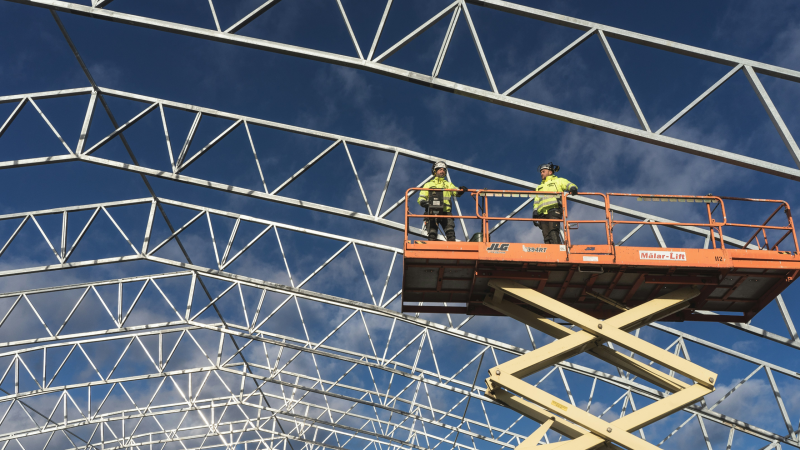
On the lighter end of the fleet, the challenge shifts from duration to volume. Telehandlers, aerials, mini-excavators, and generators move constantly across jobs, branches, and service events.
Under pressure, the yard quickly becomes a queue. Machines arrive, line up, and technicians work through them in order based on schedules and quick visual checks. Higher-risk units potentially go back out unnoticed, while low-risk machines sit longer than they need to.
“Connected asset health lets branches move from a first-come queue to true triage, so the units that drive the most revenue and risk get turned around first.”
The result is more service callsmore swaps and lower effective utilization, even when total fleet size has not changed. GPS fleet tracking is often the first step toward fixing this.
With connected asset health, branches can move from queue to triage. Teams prioritize based on condition, hours, and fault history, catching issues in the yard instead of on-site and aligning turnaround time with real condition rather than just the next available slot.
For rental companies, uptime and customer experience are inseparable. When a machine fails on site, the impact on cost, schedule, and rate is immediate, regardless of what was agreed in the contract.
Connected asset health is one of the most direct ways to control that outcome. When branches and service teams act on the same machine data, it becomes easier to keep equipment available, meet response-time commitments, and defend rate with performance to back it up.
Over time, you see fewer unplanned repairs, lower maintenance cost per unit, higher realized utilization, and more assets rent-ready when customers need them. Bane Machinery is a good example of what that shift looks like in practice.
All of that starts with a simple change in behavior: Use connected asset health to make decisions while equipment is still on rent, not after it comes back to the yard.
The machines are already telling you what is happening. The rental companies pulling ahead are the ones listening and acting first.