





In 2019, we gave a name to the mission we had been working toward for years. Eliminating downtime in construction.
It was never meant to sit inside one company. We convened an Eliminate Downtime Committee drawn from across the value chain. OEMs, rental companies and contractors sat around the same table.
Then we took the conversation out to the industry. There were open events in London, Chicago and Berlin, and sessions at ARA and Bauma. The goal was specific enough to be held to, which was to eliminate downtime in all its forms by 2025.
Inside Eliminate Downtime, the newsletter, was one part of that effort. Once a month for seven years, it carried what the committee was learning and what I was reading.
Seven years on, the technology has changed beyond recognition. What hasn’t changed is how much of the progress depends on trust. Eliminating downtime takes an entire industry willing to work together, competitors included.
The newsletter is now moving to a new home on LinkedIn. So this is a good moment to look back at what we learned, and at what comes next.
The first edition opened with a question. Was your company using data defensively, to stay out of trouble, or offensively, to get ahead?
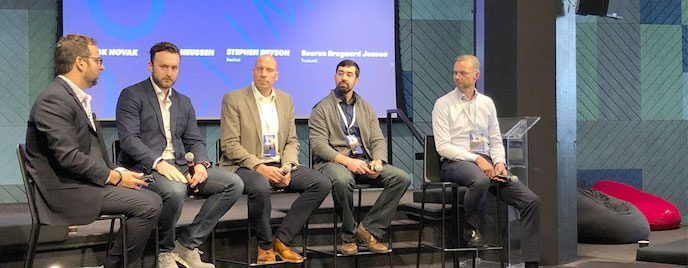
“Managing downtime is all about improving the customer experience.’ That’s what a contractor said to me at an event in London in 2019, and it reframed the whole thing.
Downtime had been treated as a maintenance problem. He was describing it as a promise to a customer.
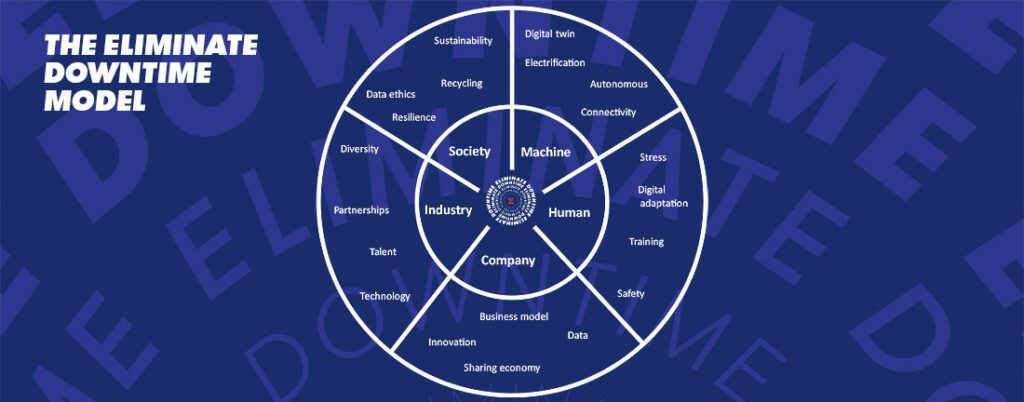
At that same event we introduced the Eliminate Downtime Model. It gave the industry a common way to describe the problem across five areas. You can’t fix what you can’t name.
That spring, sites shut down across the industry. To measure the impact, we built a Downtime Index, tracking engine utilization across roughly 150,000 off-highway machines in Europe and North America.
For a year we’d been asking how to eliminate downtime. Suddenly there was nothing else, and none of it was anybody’s choice.
So the question changed. It was no longer how to remove downtime, but what to do with the time it left.
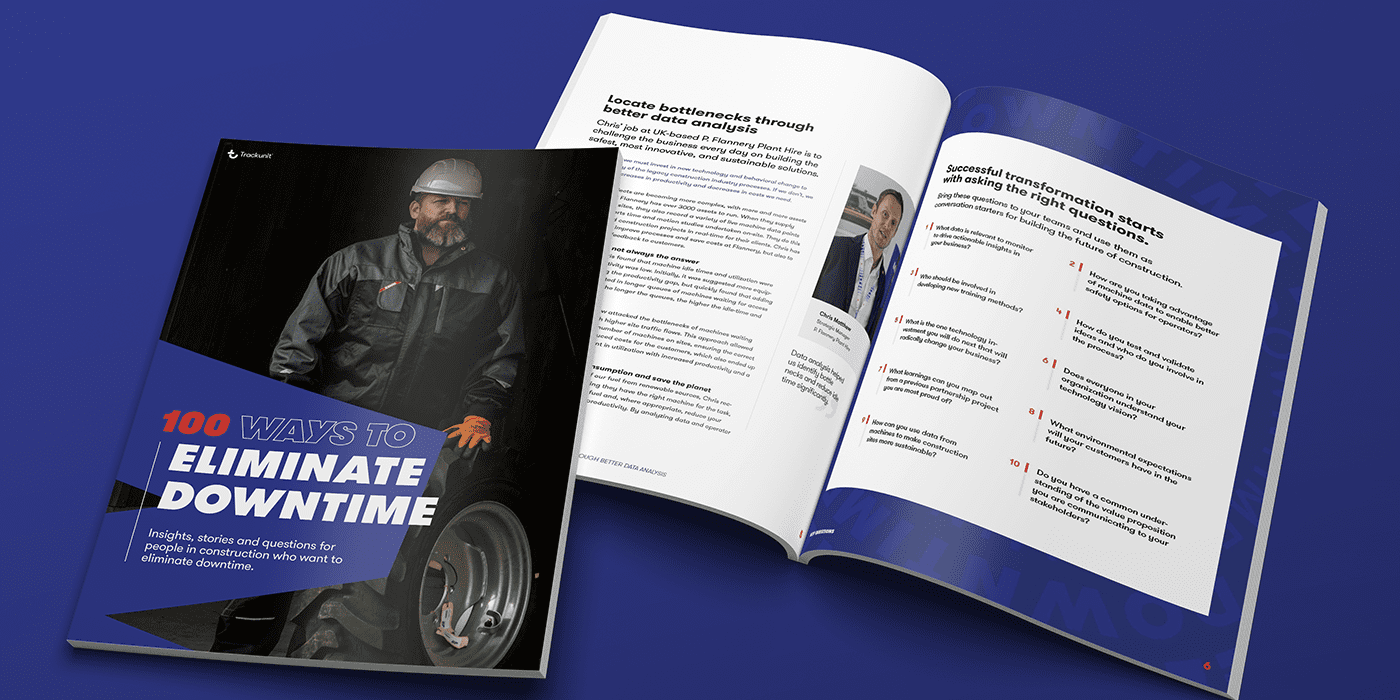
The answer was 100 Ways to Eliminate Downtime. It remains the largest body of insight the industry has gathered on the subject, written by the industry, for the industry.
The journey next turned to the value of data sharing. Sharing data was clearly becoming more necessary. But as data becomes more transparent, owners get more anxious about it falling into the wrong hands.
That tension is the whole problem in miniature. The benefit is collective, while the exposure feels personal.
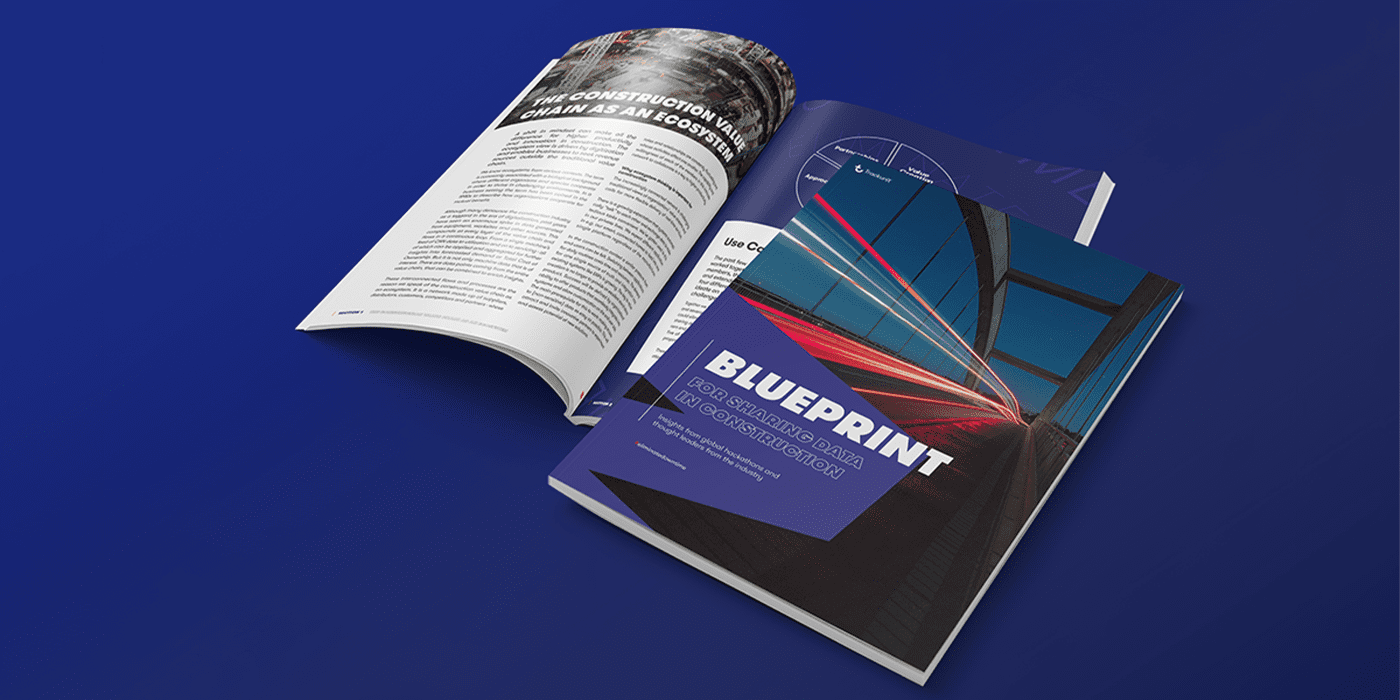
So rather than just discussing it, we ran five hackathons, where we tackled this head on. That work became a blueprint for data sharing, launched in 2021, with the use cases co-created by industry leaders.
Customers stopped treating emissions reporting as optional that year. It had become the license to operate. So we made it the theme for the year, and took it into events on both sides of the Atlantic.
What came through clearest is that the industry needs a reliable, transparent baseline before it can talk productively about emissions. Without agreed measurement, every target is a claim rather than a commitment.
That year also sharpened a point I keep coming back to. Eliminating downtime isn’t just about connecting systems and machines, and the most important success factor is connecting with the right people. It’s what I said when we first brought the committee together in 2019.
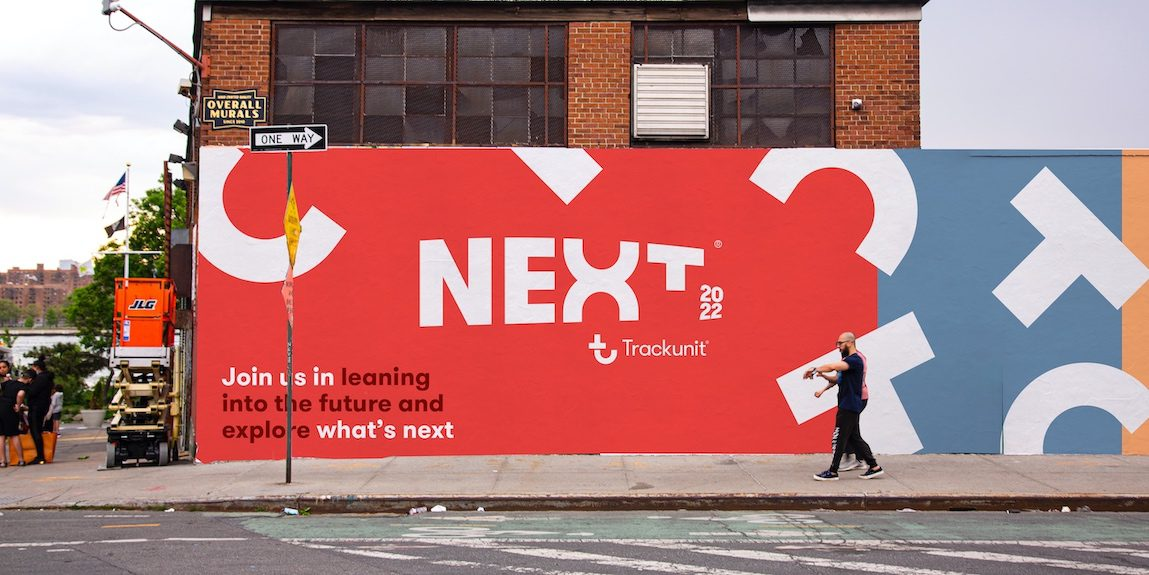
At Trackunit Next, our annual online conference, I pointed to a figure that has stayed with me since. Some 93 percent of companies admitted they struggled to keep up with the pace of technology.
That isn’t a statistic about laggards. It describes almost everyone, including the companies building the technology.
No company keeps pace alone. What made the figure useful is that it gave people permission to say so, which is where shared learning starts. So we started the Downtime Talk podcast, and brought in guests from inside the industry and from well outside it.
By 2024, AI had taken over the conversation in construction. Much of it went nowhere, because people used the same words to mean different things. So I wrote about the need for a shared vocabulary for AI.
Jargon stays jargon until the moment it turns up in conversation at your local coffee shop. The new language of this shift was crossing that line fast. The sooner you understood it, the better placed you were to make it work for your business.
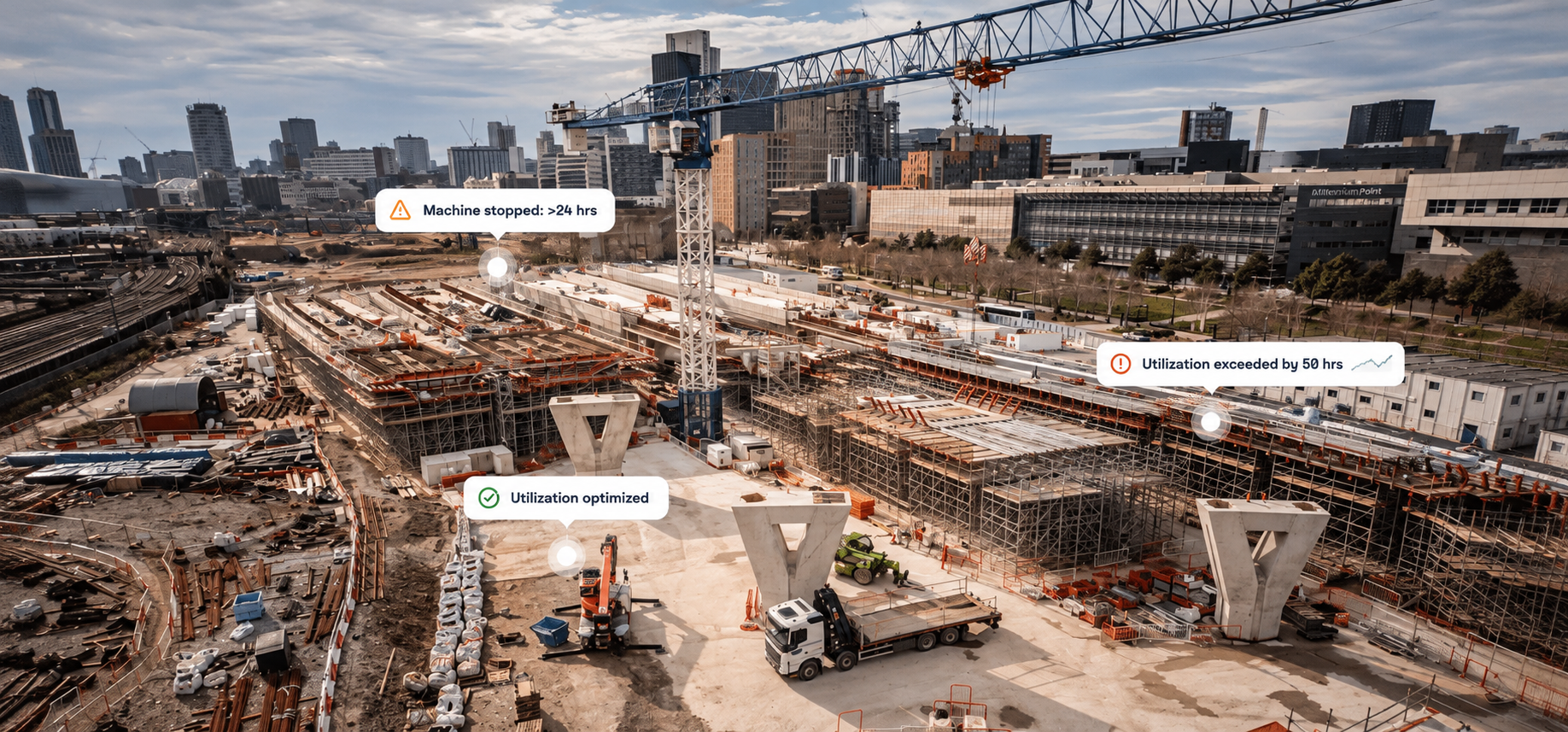
By 2025, the question had moved on, from whether AI belonged in construction to where it could actually be useful. My answer was that it only works if the data underneath it is trustworthy, timely, and accessible.
Trust was back at the center, this time as a property of the data itself. In practice, that means applying AI where the data is richest and the business impact is highest, rather than everywhere at once.
At the start, eliminating downtime was mostly a conversation about connected machines and data. Today, there is far more data, and far better ways to act on it.
The technology is more capable, but that doesn’t make trust matter less. If anything, AI raises the stakes, because more decisions now depend on information moving between organizations.
Eliminating downtime was never something one company could hand to the industry, so we have to build it together. That conversation is now moving to LinkedIn, and seven years in, we are only getting started.
Søren Brogaard is CEO of Trackunit, a global technology company on a mission to eliminate downtime in construction.
Under his leadership, Trackunit has evolved into an AI-powered platform business connecting more than 6.5 million assets. He became CEO in 2020 after serving as CTO and CCO, following senior leadership roles at Schneider Electric. An active voice in the construction industry and media, Brogaard champions collaboration and mindful leadership grounded in purpose, trust and personal development.