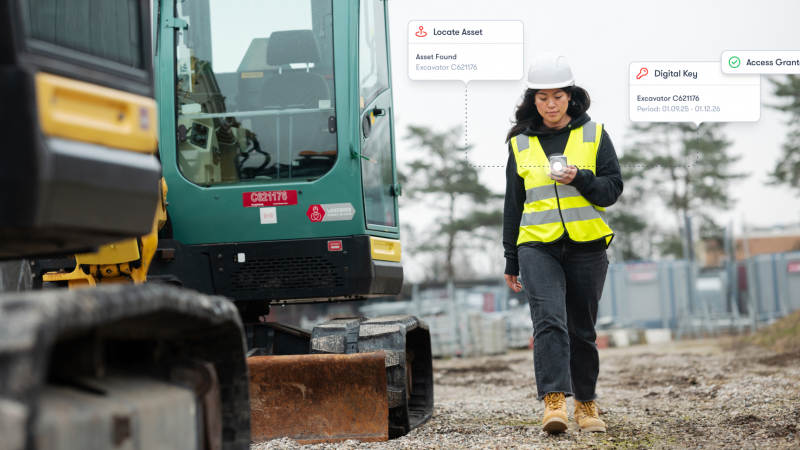






Most rental transactions still start the same way. A customer calls and asks for a specific machine. The rental company checks availability and quotes a rate. If the price is right and the machine is available, the deal is done.
That model works. But it leaves significant value on the table, for the customer and for the rental company. The shift from order-taker to trusted advisor is one of the clearest competitive advantages available in construction equipment rental management right now.
When a customer asks for a 10,000-pound telehandler, the instinct is to quote one. It is what they asked for.
But if that customer has rented from you before, and you can see that on similar projects they only lifted loads to around 30 feet and rarely used more than half the rated capacity, the 10,000-pound machine is the wrong recommendation.
A 6,000-pound model would do the job at roughly 40% less cost, and that saving is a conversation that builds trust in a way a competitive rate never can.
The message to the customer becomes: we hear what you are asking for, but based on your usage history and the type of jobsite, we would recommend something different.
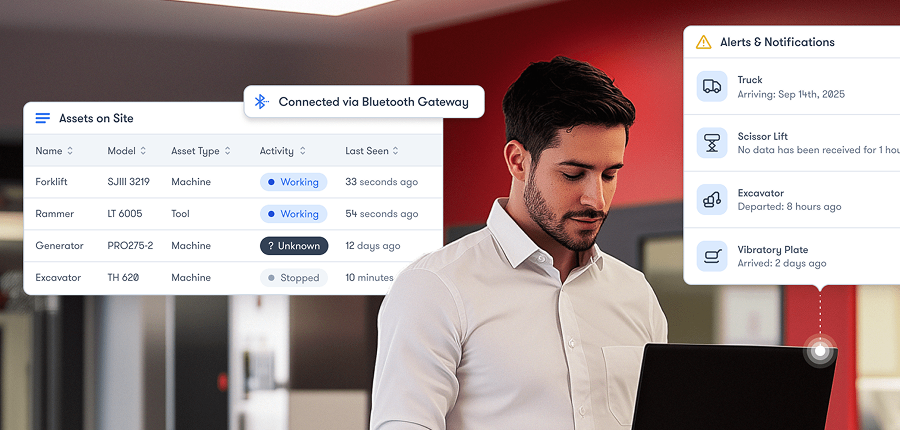
Most rental companies cannot have that conversation because they do not have the data to back it up. They know what they quoted. They do not know what the customer actually used.
That gap is where the consultative opportunity lives.
Utilization data is often treated as an internal metric. Operations teams use it to track fleet performance and identify underused assets. That is valuable, but it is only half the story.
Research from Deloitte Access Economics found that four out of five construction companies have room to improve their data capabilities. The rental companies that close that gap on behalf of their customers are the ones having a different kind of conversation.
The same data that tells you a machine spent 60% of its time on standby also tells you what that customer actually needed versus what they thought they needed. It gives you the evidence to have a better conversation next time.
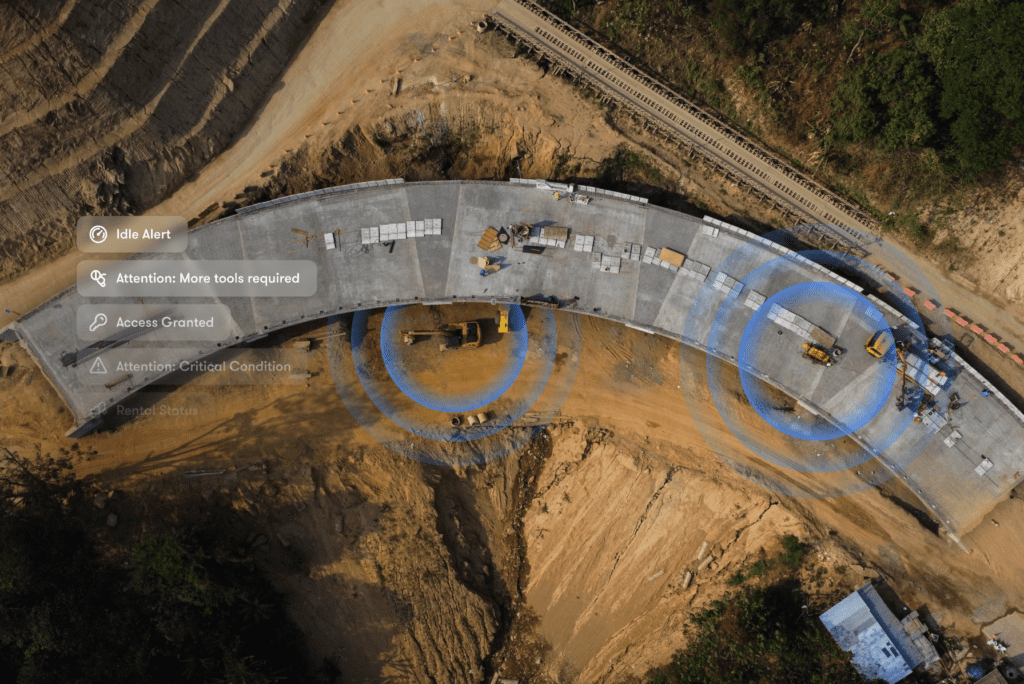
Across a fleet and a customer portfolio, those patterns compound. You start to see which customers consistently over-specify, which job types drive high utilization, and where the gap between what gets ordered and what gets used is largest.
Rental companies that build this into how they sell stop competing on availability and price. They compete on knowing the customer’s operation better than the customer does.
To sell this way, rental teams need three things: high coverage of connected assets, a single place to see usage across OEMs and branches, and a way to bring that history into every sales and review conversation.
Without that foundation, the best consultative intentions end up as gut feel instead of evidence. That means mixed-fleet data needs to live in one place, not split across OEM portals and disconnected systems.
What utilization data makes possible:
Utilization data does more than improve the sales conversation. It surfaces revenue that is quietly leaving the business.
Usage that drifts beyond agreed contract terms without being billed is one of the most common sources of leakage in rental operations.
A machine called off on Wednesday that the customer continues to use until Friday. Hours that accumulate beyond the agreed rental period without triggering an invoice update. Billing disputes that take days to resolve because neither side has a clear record.
Capital and maintenance costs accumulate on every idle hour. It never comes back as revenue. None of this shows up as a problem until someone looks at the data. In most rental operations, nobody is looking systematically.
When you can see actual hours against contracted hours, discrepancies become visible and actionable. In most cases, the customer is not trying to get away with something. They simply do not have visibility either.
Showing them the data builds credibility and opens the door to a more transparent relationship.
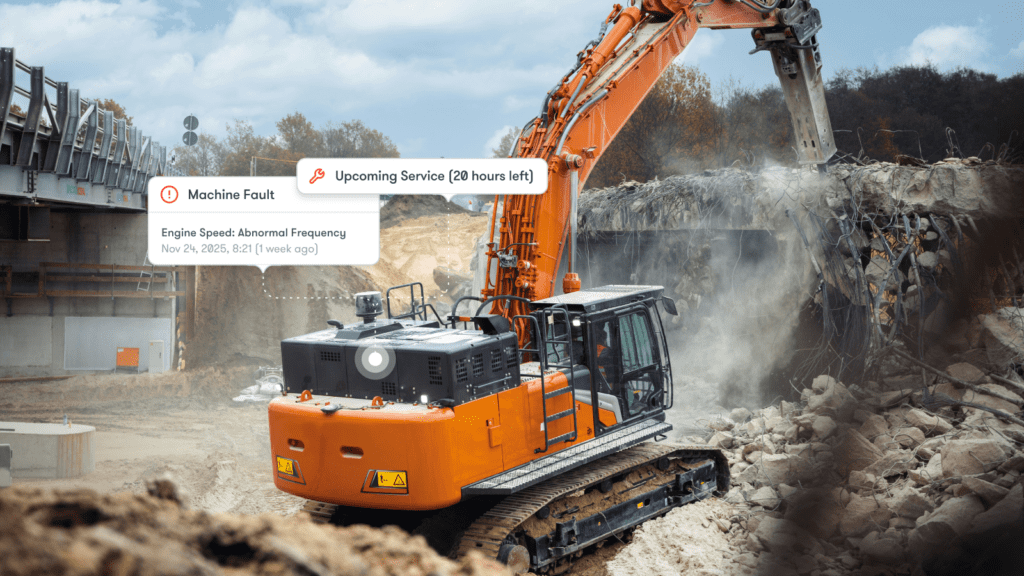
The connected asset health layer adds another dimension. When you can see not just how long a machine was used but under what conditions, service intervals and contract terms can be managed with far greater precision.
The rental companies furthest along on this are not just using data to answer customer questions. They are using it to structure the customer relationship differently from the outset.
Before a project begins, they review the customer’s usage history on similar job types. They use that history to recommend fleet mix, machine specifications, and contract structures that reflect what will actually happen on site.
During the project, they monitor utilization in real time. When a machine drops below a meaningful usage threshold for several consecutive days, that is the trigger for a proactive call.
Not to pressure the customer, but to ask whether the job scope has changed and whether a different machine would serve the project better. That call, made early, protects both the customer’s budget and the rental company’s utilization rate.
Sales, operations, and service teams work from the same usage history. That way, the recommendation you give the customer is backed by how the machines are actually behaving in the field.
At the end of the project, they debrief with the customer using the usage data. What did we quote? What did you actually use? What would we recommend differently next time? That conversation is rare in the industry. When it happens, customers remember.
The next big RFQ is the perfect place to test this approach on one project, not your entire portfolio. Start there, show the customer the data, and let the results make the case.
Fleet visibility and access management data feed directly into this model. Knowing who used a machine, when, and under what conditions gives the complete picture needed to have these conversations with confidence.
All rental companies today are competing for the same customers. The ones offering connected, data-driven services are trying to charge for them, and not every customer understands the value yet.
That is changing fast. The rental companies that have built this capability before the demand peaks will be best positioned when it does.
A competitor can match your rate. They can match your fleet size. They can match your availability. What they cannot match is two years of usage data that tells you exactly how a specific customer operates on specific job types.
That data builds over time. Every connected rental adds to it. Every project debrief refines it.
The gap between a rental company with two years of customer usage history and one without it cannot be closed by dropping a rate or expanding a fleet. It can only be closed by going back and collecting what was missed, which is not possible.
Data-driven consultative selling is not a tactic. It is a compounding advantage. The rental companies building it now are the ones that will be hardest to displace. That is how you stop selling from a catalogue and start selling like a consultant.
Andrew Grover is VP of Sales, AME Enterprise Rental at Trackunit, with nearly three decades of experience across rental operations, sales, and digital leadership. His career spans frontline roles at Herc Rentals to leading digital strategy for Caterpillar’s rental and used business, with assignments across Europe, the Middle East, Africa, and the Americas. He is passionate about helping rental companies grow through connected fleet strategies and digital transformation.