


Artificial intelligence is no longer an abstract concept in the construction industry. It is reshaping how companies operate, collaborate and plan for the future.
In this conversation hosted by Lærke Ullerup, Chief Marketing Officer at Trackunit, Claus Bek Nielsen, CEO and Founding Partner of Halfspace, explored how AI in construction is moving from hype to hands-on reality, transforming everything from fleet management to decision-making.
“AI is moving at an unprecedented pace. In ten years, I’ve never seen anything like it,” said Nielsen.
For Nielsen, the disruption AI brings is both an opportunity and a test of leadership. The winners will be those who turn innovation into intention, using AI not to automate what already works but to imagine what could work better.
While AI promises new efficiencies, Nielsen stressed that the true challenge is cultural, not technical. Implementing AI successfully depends on a clear, communicated vision from leadership. “AI isn’t here to replace people. It’s about enabling us to become better at what we do,” he explained.
That clarity must come before any platform or product rollout. Leaders need to define where AI will have the biggest business impact, then educate teams on what it can and cannot do.
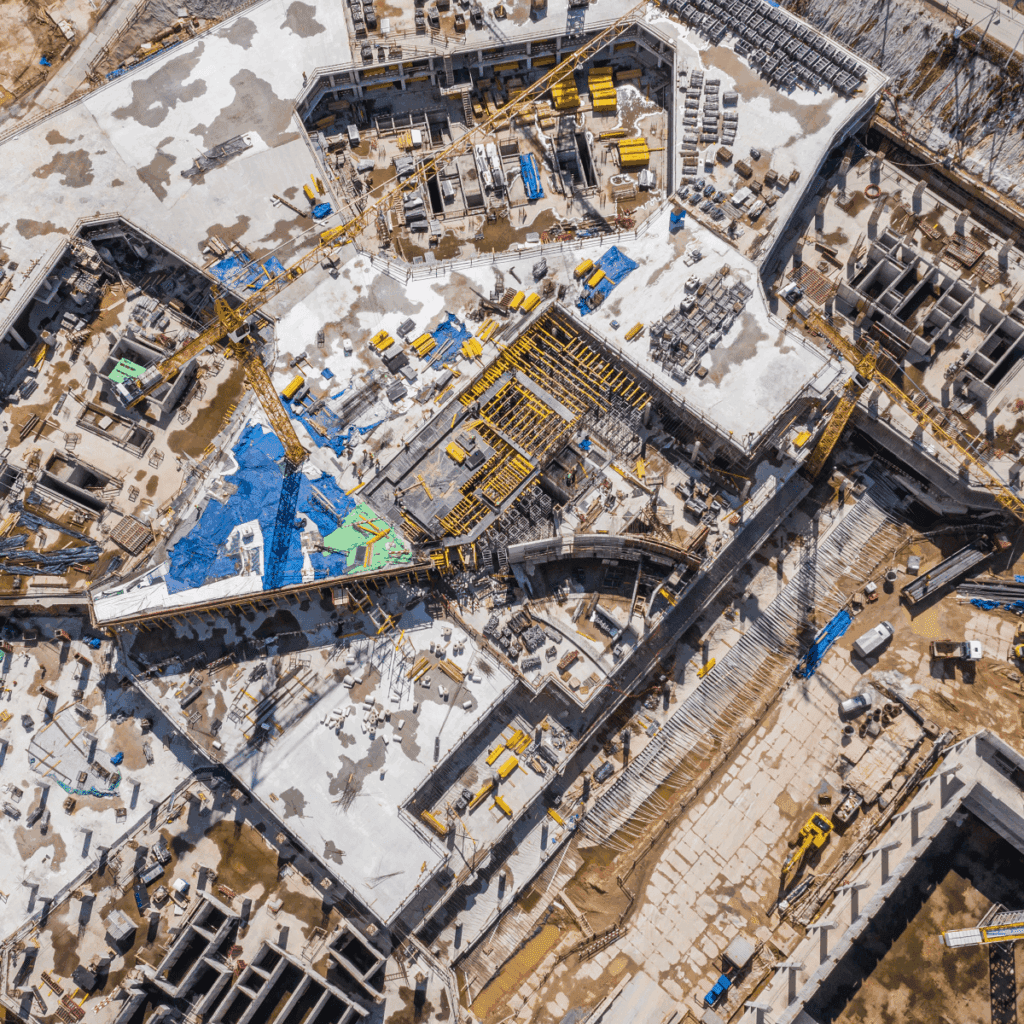
According to Deloitte’s State of Digital Adoption in the Construction Industry, 94 percent of firms plan to integrate AI or machine learning into their operations over the next five years, but many cite cultural readiness and leadership alignment as their biggest challenges.
Without that alignment, AI risks becoming another fragmented initiative, a series of pilots that never scale.
One of Claus Bek Nielsen’s most pointed observations was how quickly companies spread themselves too thin when approaching AI.
He recommends identifying one to three high-value use cases that connect directly to measurable outcomes, such as predictive maintenance, optimized fleet utilization or AI-assisted scheduling.
“If you spread too thin, projects lose focus. Start small, but go deep.” – Claus Bek Nielsen, CEO at Halfspace
By narrowing the field, teams can build internal confidence, demonstrate ROI and refine their approach before scaling. It is a disciplined, iterative path that turns AI from concept to capability.
A decade ago, few construction firms were ready to discuss artificial intelligence in any serious way, but that has changed dramatically. As Claus Bek Nielsen, CEO and Founding Partner at Halfspace, observed, since ChatGPT’s release in 2023 the industry has experienced “a complete paradigm shift.”
The construction industry is now caught between ambition and execution. While many leaders recognise AI’s potential, few have achieved scale. A recent RSM US study of mid-market construction firms in the U.S. and Canada found that organisations seeing real value from AI are those treating it as a strategic investment rather than a short-term technology project. Those that embed AI into decision-making processes report measurable gains in forecasting, safety and resource planning.
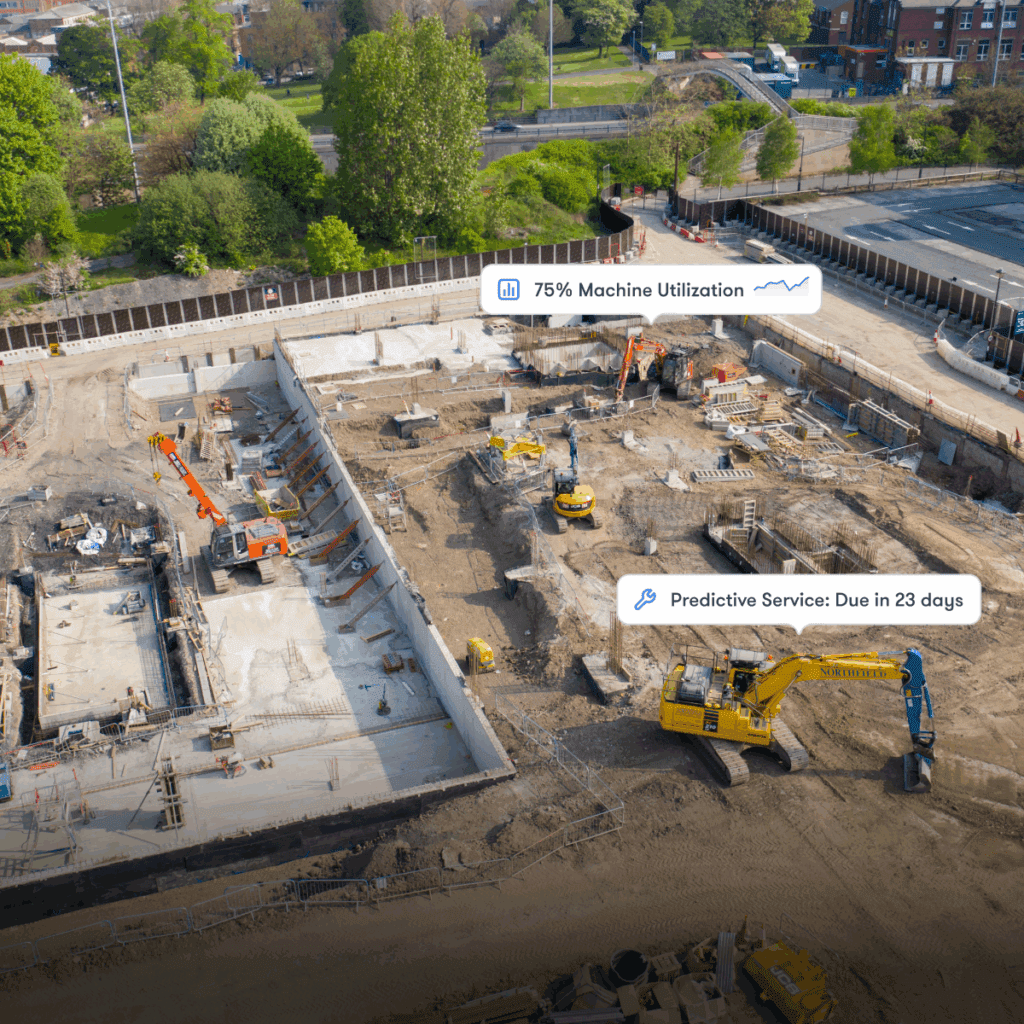
At the same time, research highlighted by PBC Today reveals a gap between optimism and implementation. Around 70% of industry professionals believe AI will bring clear value to construction, yet only 45 percent say they are actively using it and just 1 percent have managed to scale deployment across their business.
“The train is moving fast. Leaders need to jump on now or risk being left behind.” – Claus Bek Nielsen, CEO at Halfspace
The findings underline a simple truth: the challenge is no longer about belief in AI’s potential but about bridging the skills and strategy gap that keeps pilots from becoming performance.
As AI becomes more embedded in operations, Claus Bek Nielsen warned against blind trust in algorithms. Responsible AI, he said, starts with transparency — defining a system’s purpose, ensuring traceability of decisions and maintaining human oversight where outcomes carry risk.
“Explainability builds trust,” Nielsen noted. “We need to understand why AI models reach their conclusions.”
The European Commission’s AI Act reinforces this focus on accountability, requiring explainable models and human-in-the-loop processes to ensure safety and transparency across industries.As AI becomes more embedded in operations, Nielsen warned against blind trust in algorithms.
AI in construction is shifting from experimentation to execution. For organisations willing to lead, the opportunity lies in pairing connected data with intelligent insight, not replacing people but empowering them.
Nielsen and Ullerup agreed that the path forward is about balance: vision with responsibility, data with transparency and ambition with human judgment.
AI is changing the game for the construction industry, unlocking new possibilities in efficiency, safety, and collaboration. In this series, industry leaders and experts dive into how AI is being integrated across workflows, overcoming key challenges and paving the way for more intelligent, innovative construction practices. Whether it’s predictive maintenance, workforce transformation, or data-driven decision-making, we’ll uncover how AI is driving progress and shaping what’s next for construction.