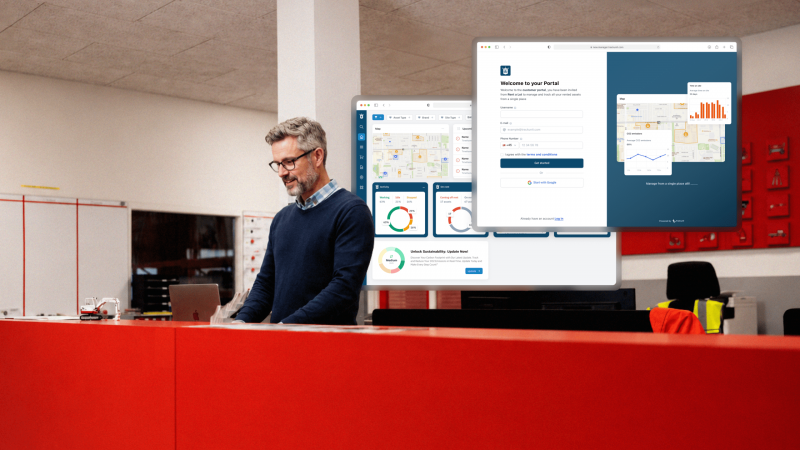





At ConExpo earlier this year, I had the same conversation a few dozens times. A contractor walks up, looks at what we do, and says: Okay, you’re another telematics provider. There are 30 of them here. Why you?
It’s a fair question. And the answer has nothing to do with the hardware.
It has everything to do with full fleet visibility. Most contractor fleet managers already have more data than they realize. The challenge is getting it into one place where it is consistent enough to actually use.
In a typical large contractor fleet, you might have 1,000 assets. Of those, you probably own around 300. The other 700 you are renting from the tier one rental players.
Those 1,000 assets come from at least 10 different OEMs. Some have factory-installed telematics. Some have aftermarket devices. Some have nothing at all.
So when you want to see where all your assets are and what they are doing, you have 10 different places to find that data. 10 logins. 10 formats. 10 different definitions of what the data means.
That’s not a technology problem, that’s a visibility problem. And it costs contractors real money every day.
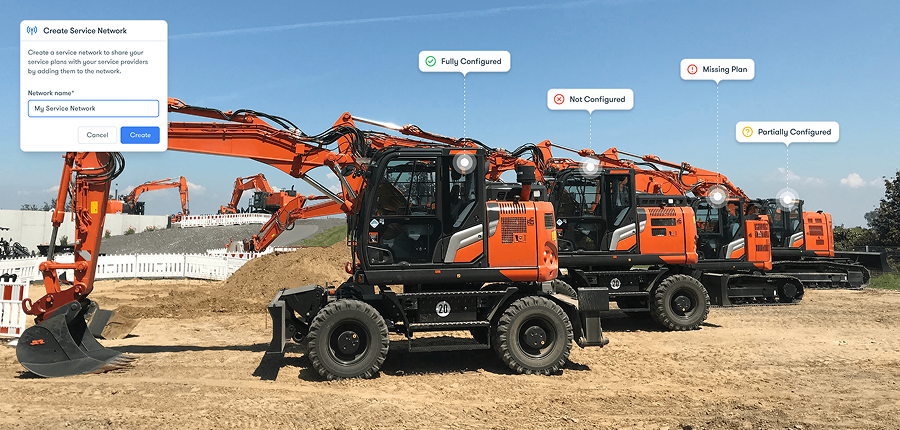
Most contractors already have more data than they realize. The challenge is not that the data doesn’t exist. It’s that it lives in too many places and it’s not consistent enough to act on.
Every OEM interprets and presents their data differently. If you pull feeds from multiple sources and assume the same metric means the same thing across every system, you may be working from numbers that do not mean what you think.
That inconsistency creates blind spots. And blind spots lead to decisions made on incomplete information.
When all your assets flow into one platform, owned equipment, rental machines, and subcontractor assets, the picture changes completely.
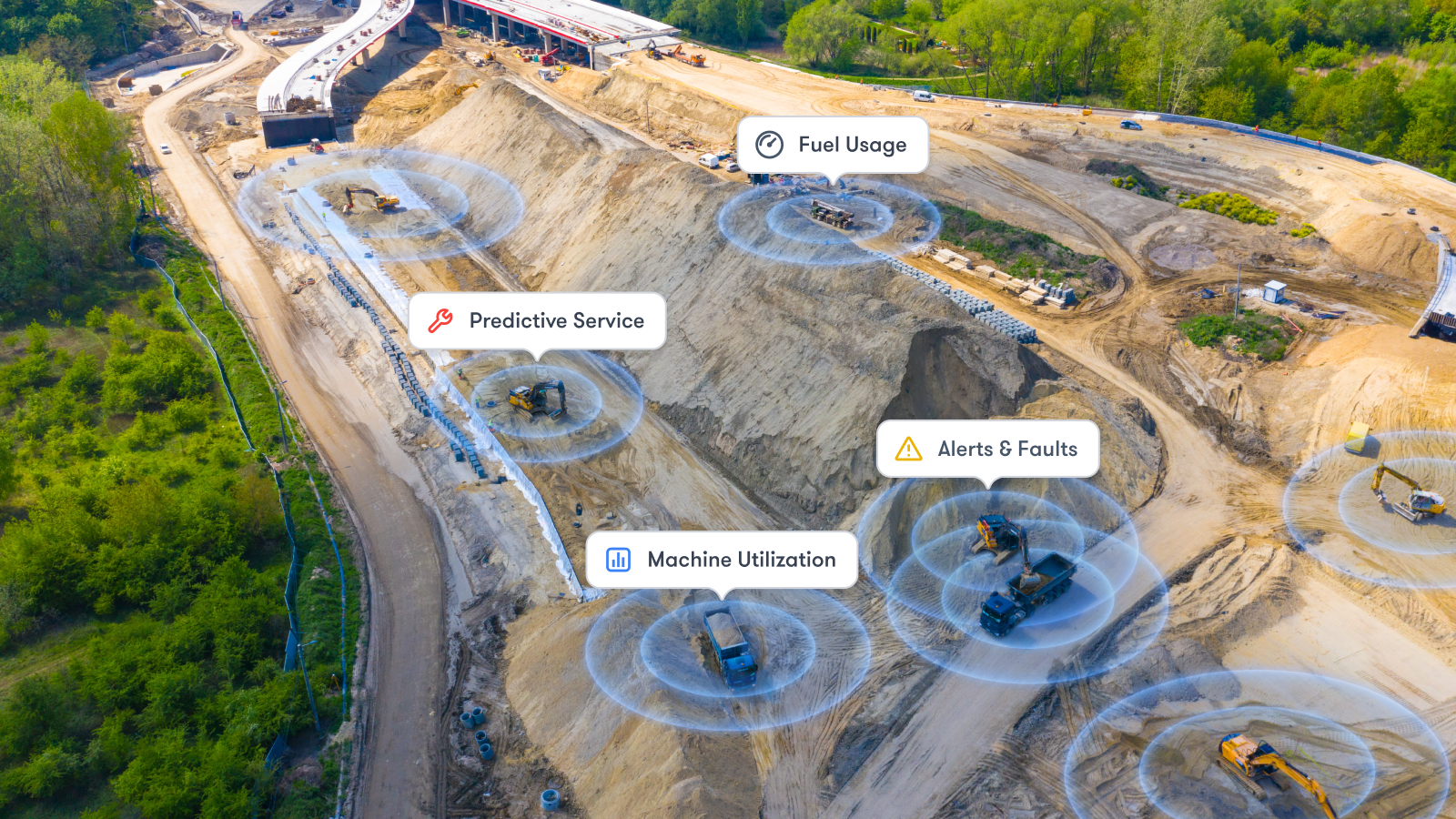
You can see which assets are sitting idle across every site. You can identify rental equipment that has not moved in two weeks. You can return it before another invoice cycle hits. You can spot a machine throwing fault codes before it becomes an unplanned breakdown.
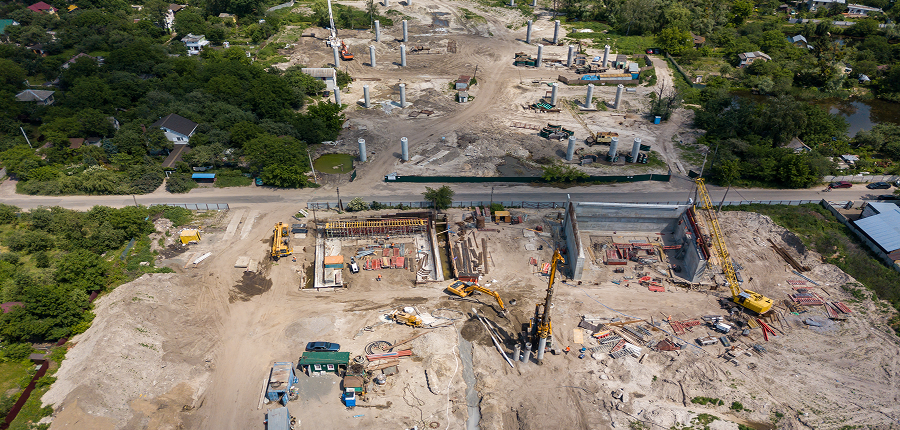
The contractors getting the most out of their fleet data aren’t the ones with the biggest fleets or the most connected devices. They’re the ones who’ve pulled everything into one consistent view and are actually acting on their data.
What full fleet visibility makes possible:
There’s a difference between just “having data” and having data you can actually trust. Not all data integrations are equal, and most contractors don’t think about that until it bites them.
When a telematics provider has worked directly with an OEM to build the integration, they know exactly how that data is intended to come through. In many cases, the IoT device installed on the machine at the factory is the same hardware powering the telematics platform.
You’re not translating someone else’s data. You’re reading your own.
When those OEM relationships have been in place for 15 years, and the same goes for the major rental companies, you don’t need to build anything or normalize anything. You connect, and what you see is accurate. That’s how you get from “having data” to actually trusting what you see.
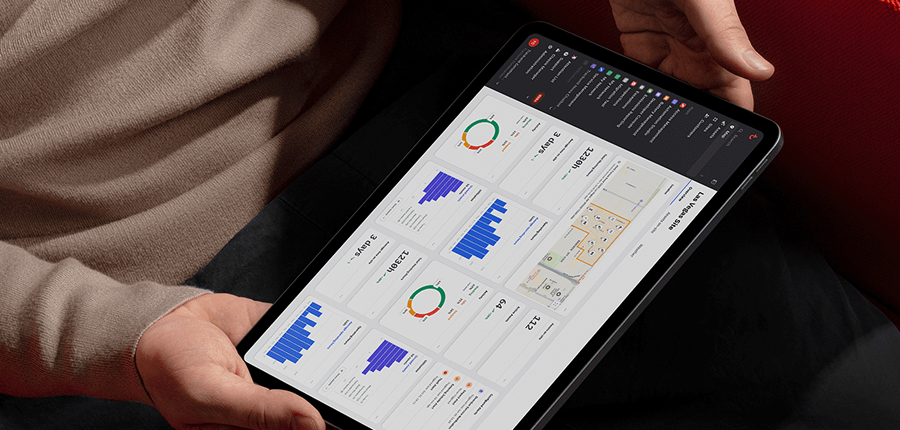
Most contractors are already working toward full fleet visibility. The question is not whether to connect your fleet. It’s whether the picture you are looking at is complete enough and accurate enough to make good calls.
Start by asking where your blind spots are. Which assets have no visibility at all? Which OEM portals are you logging into separately that could be feeding into one view? Where have you made a call recently and wished you had better information?
Most of the time, the data already exists somewhere in your fleet. The job is getting it into one place you can trust.
Nate Smith has more than 15 years of experience in fleet management and construction technology. He joined Trackunit in 2024 where he is Vice President of Sales for the Americas, working with contractors across North America to help them get more out of their connected fleets.