



Not long ago, artificial intelligence in construction was mostly a slide in a presentation. It sounded impressive, but on jobsites and in fleet operations, reality looked very different. Data was fragmented, machines were only partially connected, and decisions still relied heavily on experience and intuition.
Today, AI in construction is no longer a future concept. It is becoming a practical, everyday tool. The question is no longer if AI belongs in construction, but how it quietly became mainstream.
The short answer is that construction AI did not arrive through a single breakthrough. It became mainstream when connectivity, context, and trust finally came together.
A key turning point was simple but fundamental. Machines became connected by default. A decade ago, telematics was optional. Today, it is expected. Contractors and rental companies now assume that every machine, tool, and increasingly every site is digitally visible. Location, utilization, idle time, fault codes, and machine health data are essentials.
‘A key turning point was simple but fundamental. Machines became connected by default. A decade ago, telematics was optional. Today, it is expected.’
This increasingly universal connectivity created the flow of raw data that AI needs. Without consistent, reliable data across mixed fleets, AI cannot function. The widespread adoption of telematics platforms laid the foundation for OEMs, rental companies, service providers and visionary contractors to begin to get to terms with data, long before most people started talking seriously about AI.
That wasn’t without its issues. Within a short timeframe, we went from not having enough data to data overload, beyond the capability of any human to leverage usefully. But the advent of AI now helps us monitor, interpret and extract knowledge and insight from the valuable data we collect. And this shift is visible in how customers use platforms like Trackunit’s operating data platform IrisX.
But connectivity alone was not enough. For years, construction data existed in silos. OEM portals, rental systems, ERPs, paper spreadsheets, and site logs all told different parts of the story. AI became relevant when that data started to come together.
The move toward unified operating data platforms allowed telematics data to be combined with operational and commercial context. Utilization data gained meaning when viewed alongside rental contracts. Fault codes became valuable when linked to service history and duty cycles. Site performance improved when machines were analyzed as part of a system rather than as isolated assets.
This is where construction AI began to deliver real value. Not by being clever, but by being contextual.
In IrisX, harmonizing data into a secure, customer-owned data lake allows AI models to work with construction reality rather than abstract datasets. That shift from raw data to operational context is one of the key reasons AI crossed from experimentation into daily use.
Early AI efforts in construction focused on prediction. Can we predict failures? Can we predict utilization? Can we predict demand?
Those predictions were interesting, but they often stopped at the dashboard. AI became mainstream when the industry started asking a different question. What happens after the insight?
‘This is where construction AI began to deliver real value. Not by being clever, but by being contextual.’
Construction is an action-driven industry. If an AI system identifies a problem but does not help resolve it, adoption stalls. The real breakthrough came when AI outputs were connected directly to workflows.
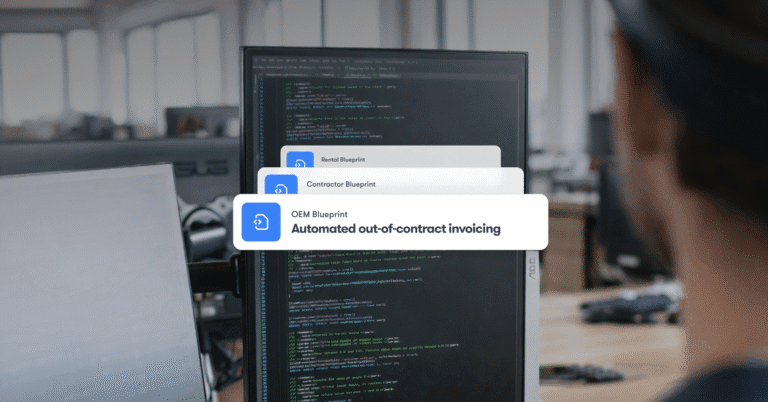
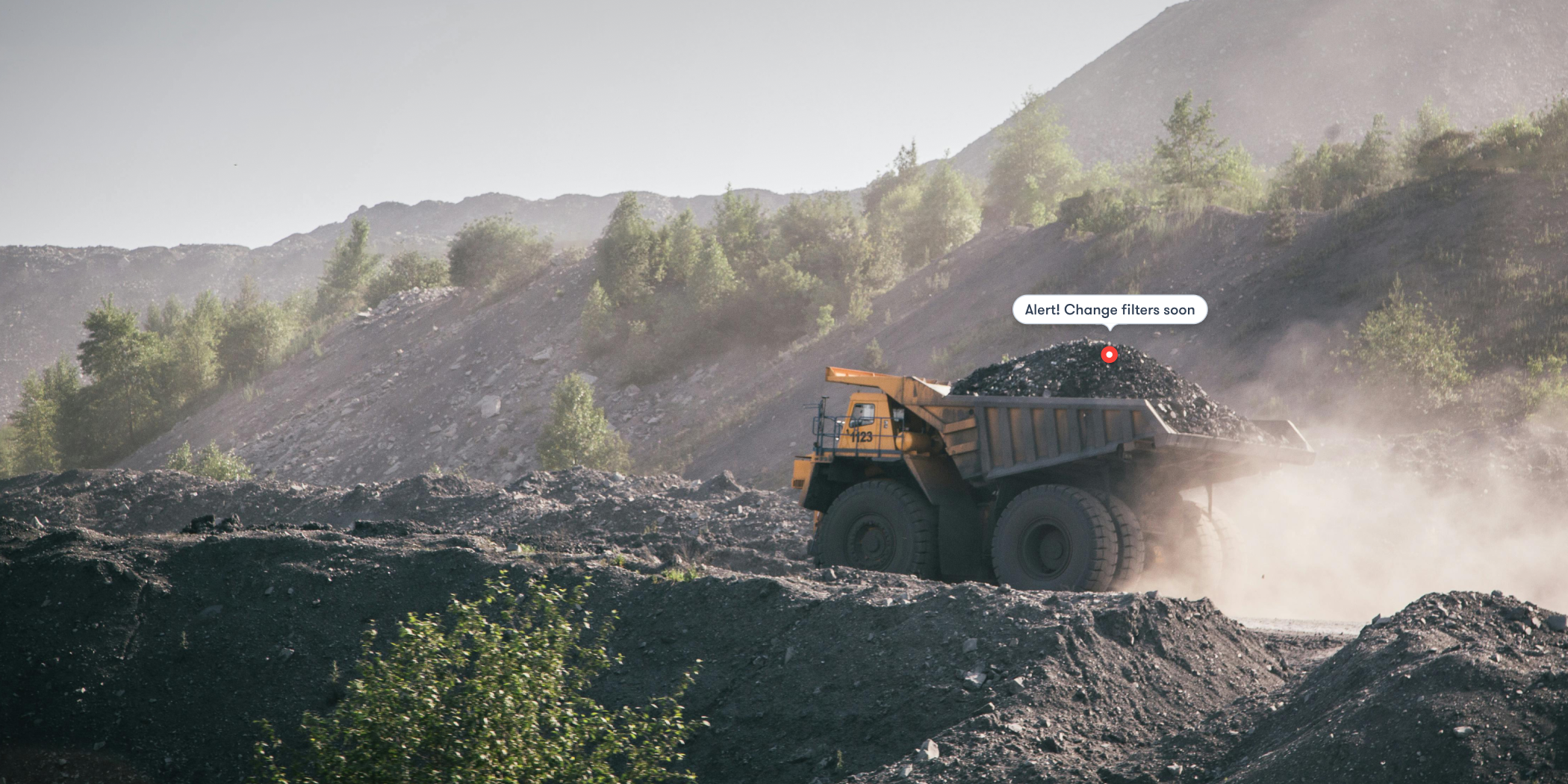
Predictive maintenance is a good example. AI models can detect early warning signs from utilization patterns, fault codes, and sensor data. The real value appears when that insight automatically triggers a service workflow, reserves parts, notifies the right team, and this prevents unplanned downtime.
This shift from reporting to orchestration is where AI earns trust. It reduces manual effort instead of adding another screen to watch.
Another reason AI gained acceptance is that organizations stopped trying to replace human judgment. Construction professionals do not want black boxes telling them what to do. They want support that enhances experience and responsibility. AI works best when it augments decisions rather than overriding them.

In practice, this means exception-based insights instead of constant alerts. It means recommendations rather than commands. Providing transparency around why a machine is flagged or why a site is underperforming.
At Trackunit, we see the strongest adoption when AI is positioned as a co-pilot. It highlights risks, patterns, and opportunities that humans might miss, while leaving control firmly with the operator, site supervisor, or fleet manager. That has effectively created a group of ‘super users’ comfortable with leveraging ‘conversational interfaces’ to make complex tasks much easier.
This balance is critical. AI became mainstream when it is aligned with how construction actually works.
More recently, we are seeing the next phase of mainstream AI take shape through AI agents and automation. Instead of asking users to query systems, AI agents can monitor operations continuously and act on predefined rules and goals. They can reduce idle time automatically, trigger maintenance workflows, or enforce site access policies without human intervention.
This is not about full autonomy. It is about removing friction from everyday operations. When AI agents handle repetitive coordination tasks, construction professionals gain time to focus on planning, safety, and execution.
‘At Trackunit, we see the strongest adoption when AI is positioned as a co-pilot.’
That practical benefit is why AI adoption is accelerating now, not because the technology is new, but because the workload relief is tangible.
No discussion of mainstream AI is complete without trust. Construction data often involves people, safety, and commercial sensitivity. AI systems only gain adoption when users trust how data is handled.
Clear data ownership, role-based access, secure authentication, and transparent governance are essential. Customers need to control what data is shared, with whom, and for what purpose. This is especially important for people-related data such as driver behaviour or site access. The goal must always be safety and productivity, not surveillance.
Platforms like IrisX are designed with this principle in mind. Openness with control is what allows AI to scale responsibly across complex ecosystems of contractors, rental companies, OEMs, and partners.
The shift to mainstream AI is visible in how tier one contractors operate today. For example, a big UK-based contractor, Laing O’Rourke, uses Trackunit connectivity and site insights to analyze utilization, fuel use, and emissions across multiple sites. The challenge was familiar. Large fleets, multiple projects, and limited visibility into real utilization and idle waste.
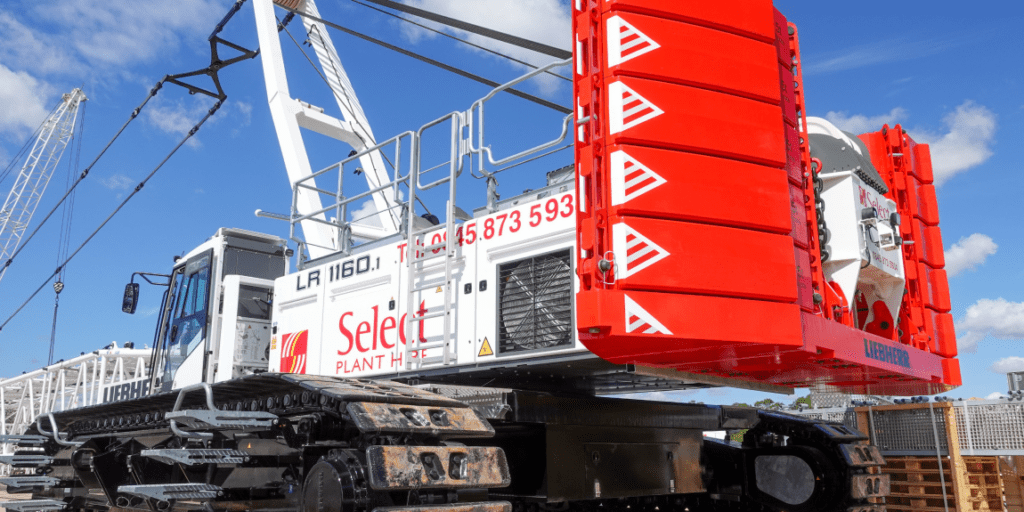
By connecting assets and applying utilization analytics, the company can identify underused equipment, reduce idle patterns, and act before small issues become downtime events. When utilization data is actively managed, idle reductions of 20 to 30 percent are achievable, with clear cost and carbon benefits.
This is not experimental AI. It is operational AI delivering measurable results.
AI became mainstream in construction when it stopped feeling like AI. It feels normal because it is embedded in workflows. It respects human roles. It reduces workload instead of increasing it. It delivers clear outcomes like higher utilization, lower downtime, and better planning.
Most importantly, it is built on a foundation of connected machines, harmonized data, and trusted platforms. The future of construction AI is not about dramatic headlines. It is about quiet reliability. Systems that anticipate issues, coordinate actions, and help the industry work smarter every day.
That is how AI became mainstream in construction. Not by promising the impossible, but by solving the practical.